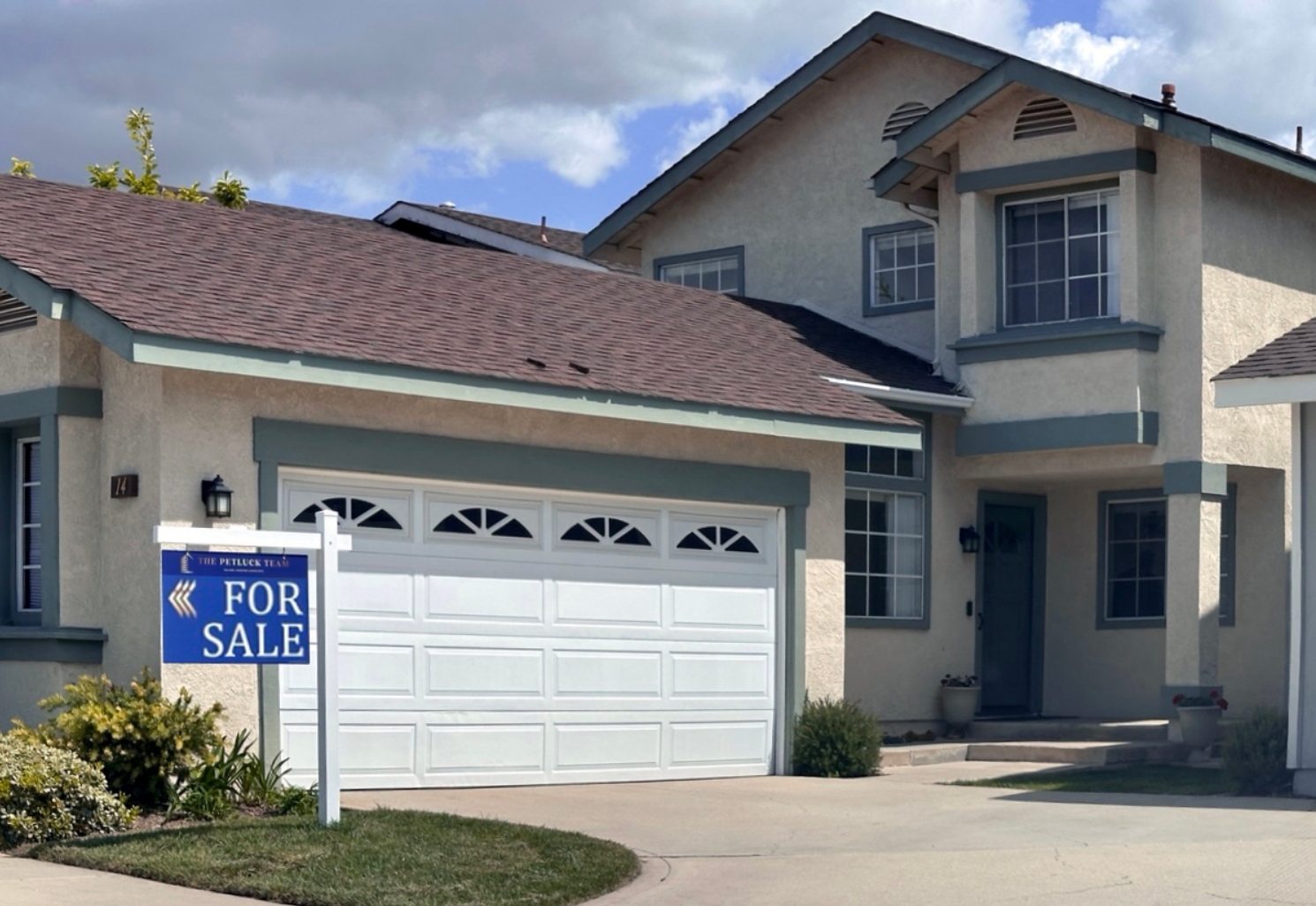
A single family house is for sale in Orange County. [Naki Park, The Korea Daily]
California first-time homebuyer program supporters are hoping voters will approve a ballot measure this November that could dramatically lower the financial barrier to homeownership for middle-class families.
The proposed California Middle-Class Homeownership and Family Home Construction Act of 2026 would create a state-backed program allowing qualified first-time buyers to purchase newly built homes with as little as a 3% down payment.
Under the proposal, the state would provide up to 17% of a home’s purchase price through a second mortgage, helping buyers who struggle to save for a traditional down payment.
 How the Program Would Work

If approved by voters, the California first-time homebuyer program would establish a fund of up to $25 billion to finance second mortgages for eligible buyers.
For example, someone purchasing an $800,000 home would normally need a 20% down payment, or $160,000.
Under the proposal, the buyer would only need to contribute $24,000 (3%), while the remaining $136,000 (17%) would be covered through a state-issued second mortgage.
Former California State Senator Robert Hertzberg, who authored the initiative, said the measure focuses on increasing homeownership by expanding the supply of newly built housing.
“Previous subsidy programs mainly drove up home prices without increasing supply,” Hertzberg said. “This proposal is designed to encourage construction while helping middle-class families buy homes.”
Who Would Qualify?
To qualify, applicants must have lived in California for at least one year and purchase the home as their primary residence.
Household income cannot exceed 200% of the local Area Median Income (AMI).
In Los Angeles County, that means a family of four earning up to approximately $213,200 annually could qualify.
Eligible properties would include newly built single-family homes, condominiums, townhomes, manufactured homes, and residential conversion projects.
The purchase price must remain below 125% of the county’s conforming loan limit, which would generally allow homes priced between roughly $1 million and $1.5 million, depending on the location.
The proposal would also expand access for buyers with limited traditional credit histories by allowing lenders to consider rental payment records and banking history when evaluating applicants.
Loans would carry fixed interest rates and would not include prepayment penalties.
Supporters and Critics Clash
Supporters argue the California first-time homebuyer program could help thousands of middle-class families finally enter the housing market while encouraging developers to build more homes.
The program would be financed through up to $25 billion in state revenue bonds. California would raise capital by selling bonds to investors, use the proceeds to fund second mortgages, and repay bondholders over time as borrowers repay their loans.
Real estate groups and moderate Democrats say the measure would ease California’s housing affordability crisis while helping families build long-term wealth through homeownership.
Republican opponents, however, argue that issuing $25 billion in bonds could increase the state’s financial obligations and further drive up housing prices.
California voters will have the final say when the measure appears on the November statewide ballot.