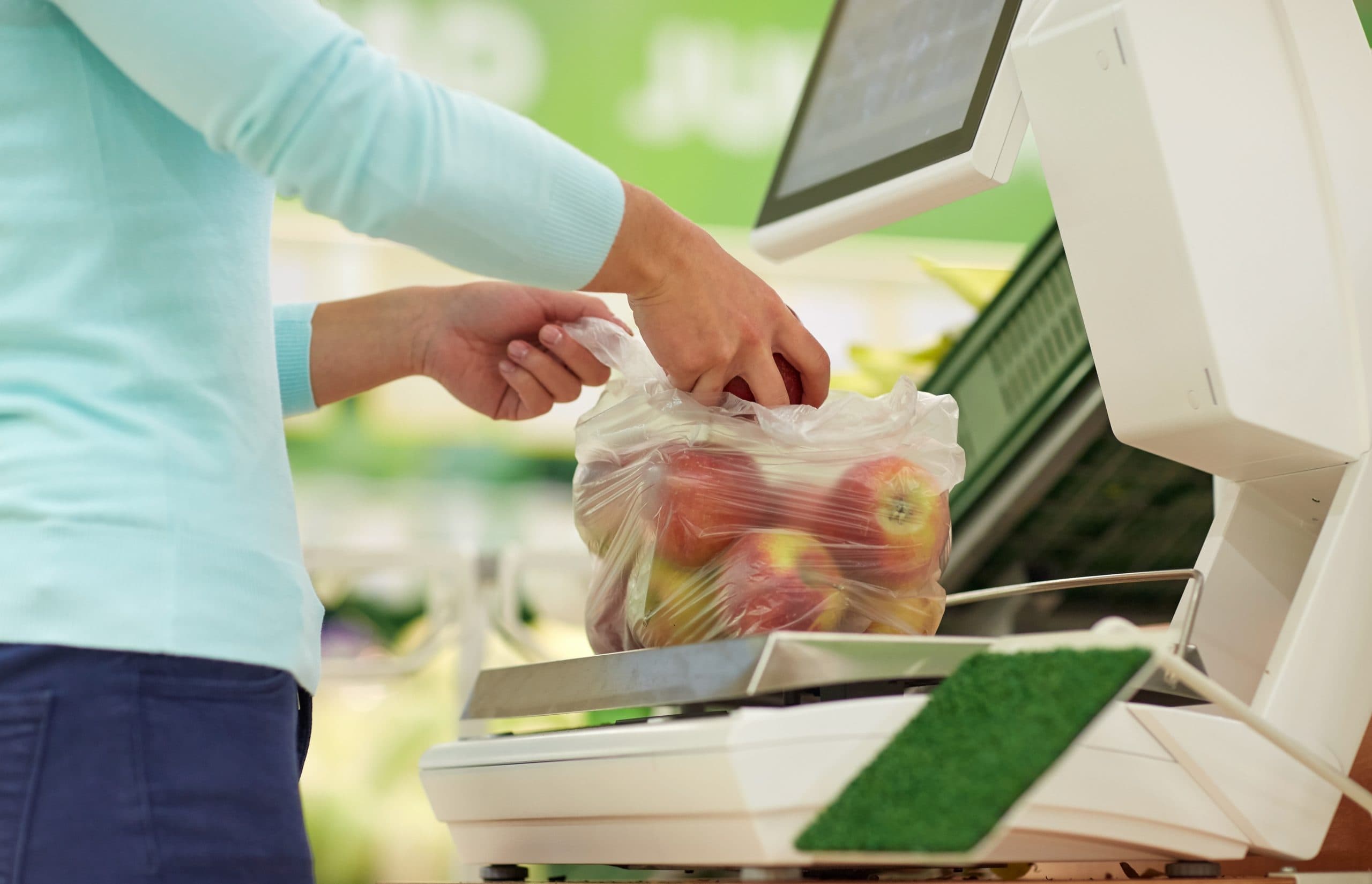
State to impose environmental fees on packaging producers starting next month
Households could pay up to $190 more annually
California consumers may soon face another increase in grocery prices as the state prepares to implement new environmental fees on packaging producers beginning next month.
The new fees are part of Senate Bill 54 (SB 54), the Plastic Pollution Prevention and Packaging Producer Responsibility Act, which was signed into law in 2022. The legislation aims to reduce single-use plastic waste and requires all packaging sold in California to be recyclable or compostable by 2032.
Under the law, companies that manufacture or sell packaged products will be responsible for helping fund the collection, recycling and disposal of their packaging materials. Businesses using packaging that is difficult to recycle will pay higher fees, while those using environmentally friendly materials will face lower costs.
The California Department of Resources Recycling and Recovery (CalRecycle) said preliminary producer fees will begin in August to finance the new program. However, companies will not be required to fully comply with the new packaging regulations until 2027.
State officials estimate that the new program could increase household expenses by $66 to $190 per year, as manufacturers and food producers are expected to pass at least some of the additional costs on to consumers through higher retail prices.
In its program report, CalRecycle acknowledged that compliance costs “may be passed on to consumers,” potentially resulting in higher prices for everyday goods, including groceries.
The state estimates that approximately 5,741 companies will be directly subject to the new regulations. On average, each producer is expected to incur about $457,000 in annual compliance costs, although actual expenses will vary depending on the type and amount of packaging materials used and the compliance methods chosen.
The report also projects that roughly 546,000 California businesses will indirectly feel the impact through higher costs for goods and packaging. If producers pass all of their additional expenses on to customers, affected businesses could face an average of $4,806 in extra annual costs.
Small businesses with less than $1 million in annual gross sales will be exempt from many of the law’s requirements.
State officials noted that the overall impact on consumers will depend on how much of the added cost producers decide to absorb. If companies pass along only a portion of the new fees, the increase in consumer prices would likely be significantly smaller than the state’s maximum estimate.
The new program has drawn mixed reactions. Environmental advocates say SB 54 will significantly reduce plastic pollution and shift recycling costs from taxpayers to producers. Industry groups, however, warn that the added compliance costs could further increase grocery prices at a time when California residents are already struggling with one of the nation’s highest costs of living.