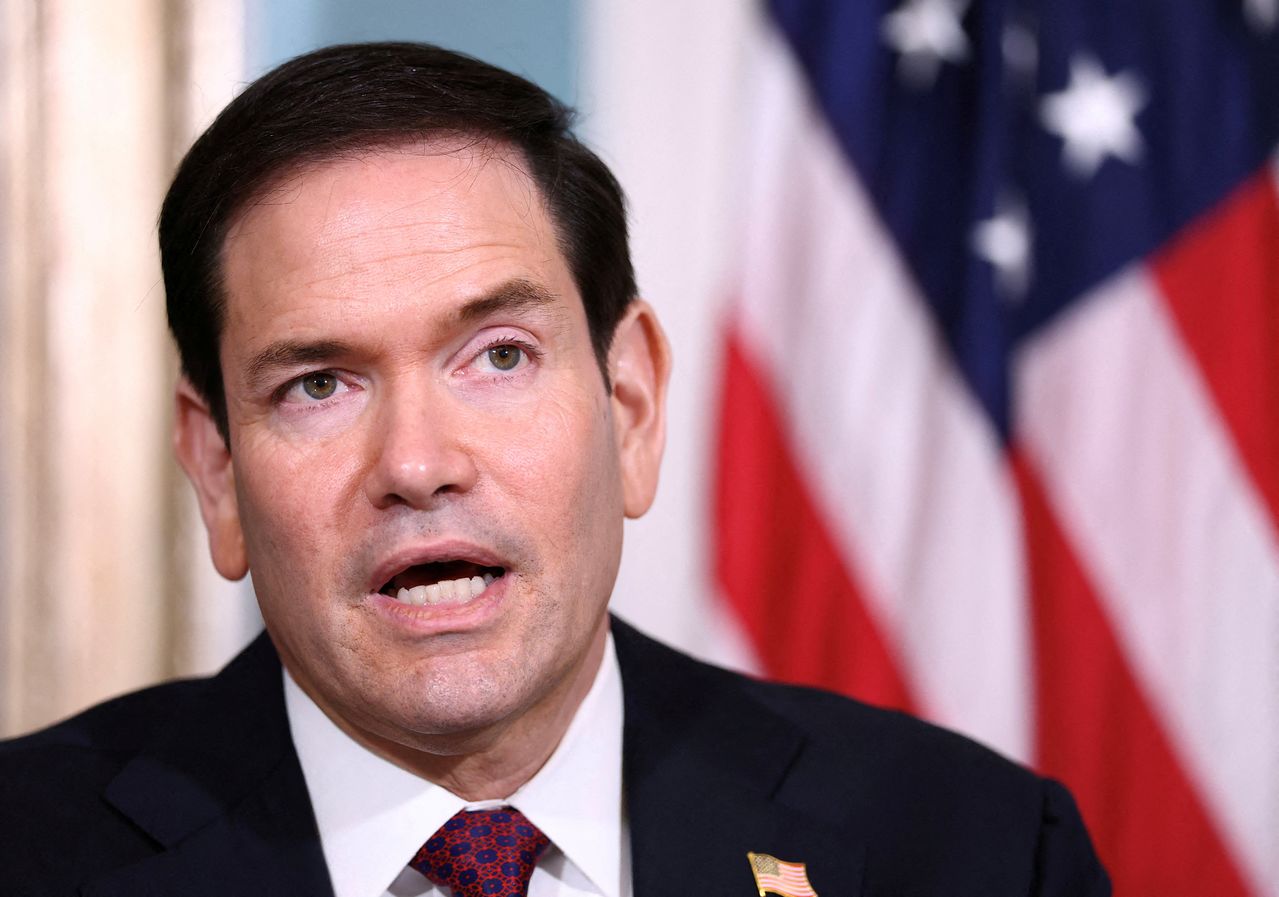
The United States has reportedly shifted its policy on Iran, refraining from military attacks for the time being and instead continuing pressure through economic sanctions and a maritime blockade. According to US media outlet Axios on the 25th (local time), citing US officials, Secretary of State Marco Rubio recently explained to the foreign ministers of some allies that the US has a policy of “for the time being” taking no military action against Iran.
Rubio reportedly conveyed that instead of military strikes, the US will continue blockade operations targeting Iran in the Strait of Hormuz while strengthening economic pressure through new Treasury Department sanctions. Along with this, the US is also said to have formulated a plan to maximize crude oil transport through the Strait of Hormuz to ease supply instability in the international energy market.
One US official stated that this policy stance is likely to be maintained at least until the midterm elections in November, after which new military operations could be discussed again. However, it is reported that the possibility of the US military resuming airstrikes has not been completely ruled out if Iran attacks the US or US forces first.
Axios analyzed that the timing of the US message to allies about refraining from military action coincides with the US government’s assessment that crude oil transport in the Strait of Hormuz is gradually expanding. The Trump administration reportedly believes that as mines installed by Iran in the Strait of Hormuz have been removed and tankers utilizing the Omani route south of the strait have increased in recent weeks, Iran’s influence over the international energy market has weakened.
Axios interpreted this as a sign that US President Donald Trump feels significant fatigue over the protracted conflict with Iran and wants to end the war, at least for the time being. Meanwhile, Russia’s state-run RIA Novosti news agency cited Pakistani and Iranian security sources on the same day, reporting that the US and Iran had agreed to a ceasefire, including freedom of navigation in the Strait of Hormuz. The report came immediately after Pakistani Army Chief of Staff Gen. Asim Munir, who has acted as a mediator between Iran and the US, visited Tehran the previous day to meet with Iranian leadership. There have also been reports that Gen. Munir spoke with President Trump prior to his visit to Iran.
However, the US side drew a line regarding speculations that negotiations between the two countries are underway. According to Axios, the White House did not deny the phone call between President Trump and Gen. Munir, but stated that there are no ongoing or scheduled negotiations with Iran at this time. US Special Envoy to Iran Steve Witkoff and Jared Kushner, President Trump’s son-in-law, who have led negotiations with Iran, are reportedly scheduled to visit the US Central Command, which oversees military operations related to Iran, on the 26th to receive a briefing on the local situation.