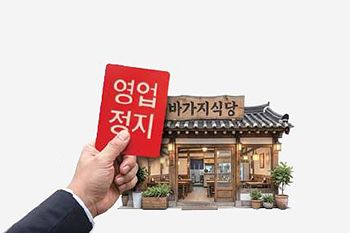
South Korea Overcharging Crackdown Introduces One-Strike Rule
South Korea overcharging crackdown measures are tightening as the government steps up enforcement against tourist scams and unfair pricing. Restaurants and bakeries in South Korea caught failing to display prices or charging more than listed prices will face immediate business suspensions under newly revised enforcement rules enacted by the Ministry of Food and Drug Safety. This regulatory update follows the Ministry’s initial overcharging eradication countermeasures announced back in February, addressing public outrage sparked by recent tourist market controversies where vendors arbitrarily added unwanted meat to dishes like blood sausage and forced higher bills on customers.
Stiffer Penalties Replace Minor Warnings
Previously, businesses caught with hidden fees or inflated pricing received only a light warning or correction order upon their first offense. This lenience allowed unscrupulous vendors at seasonal festivals and tourist spots to exploit visitors for quick profits. Under the updated enforcement rules, a first-time violation now triggers an immediate five-day business suspension. Penalties for repeat offenses have also escalated, increasing the suspension period from seven days to ten days for a second violation, and from 15 days to 20 days for a third violation, according to the Ministry of Food and Drug Safety.
Regulatory Relief for Compliant Business Owners
While penalizing unfair pricing, the Ministry is simultaneously easing administrative burdens for compliant operators in South Korea. The amendments expand the types of foods that ready-to-sell manufacturing and processing businesses can portion and sell, including fish paste products, vinegar, and starch. Furthermore, the legal obligation to store business report certificates on-site has been eliminated, alongside the removal of associated fines for violations and the requirement to submit original paper documents when modifying business permit, registration, or reporting details with local authorities.