The Cost of Educational Status Competition
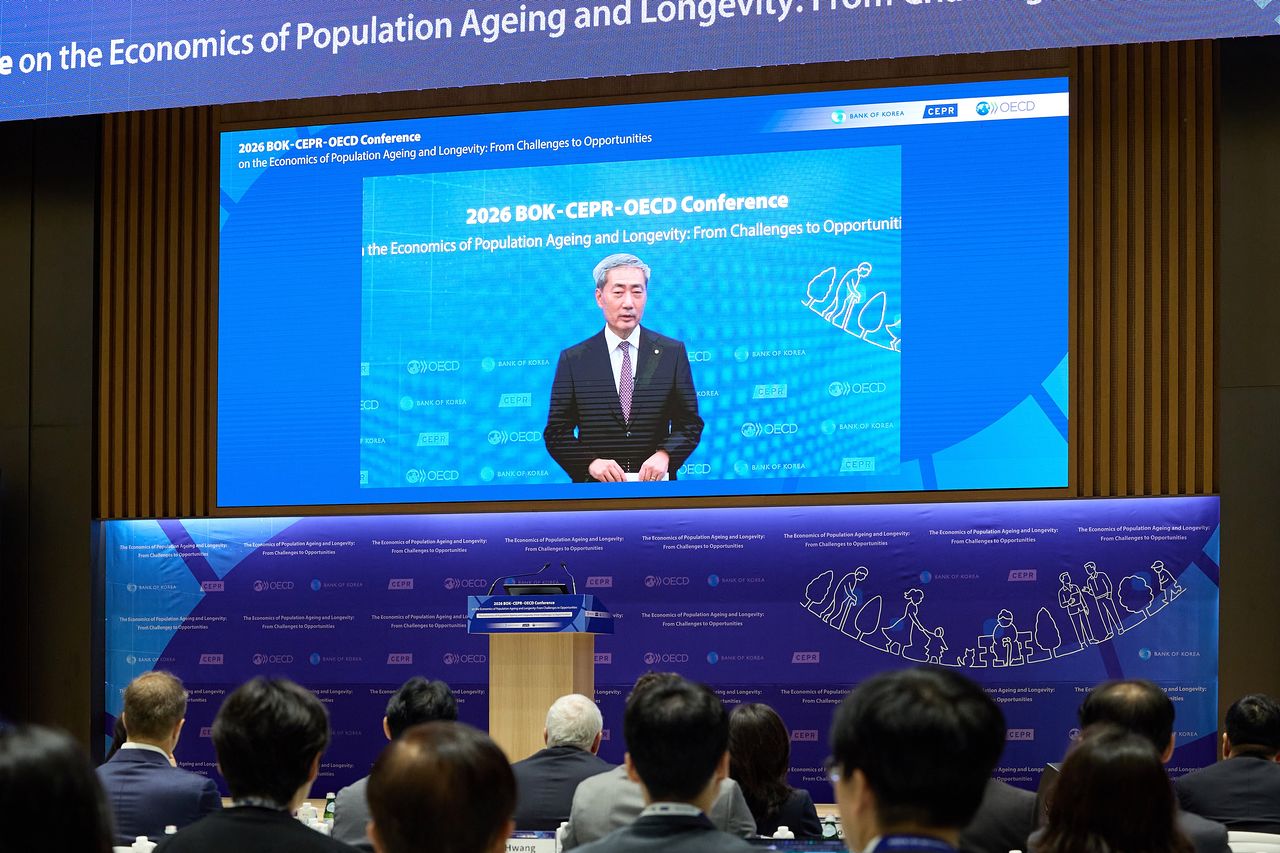
Intense private education competition in South Korea birth rate studies has been identified as a primary driver pushing fertility down by 28%. According to a research report titled ‘Status Competition, Intensive Parenting, and Low Fertility in South Korea’ presented by Virginia Commonwealth University Professor Mincheol Yum at a Bank of Korea, CEPR, and OECD joint conference, parental comparisons regarding educational achievements drastically inflate spending and reduce family sizes. If not for this competitive drive, the average fertility rate for South Korean women born between 1970 and 1975 could have reached 2.45 children rather than the actual 1.92.
Socioeconomic Impact of Private Education and Motherhood Penalty
With roughly 75% of South Korean students participating in private education, low-income households shoulder a heavier burden, spending 8.4% of their income compared to 5.1% for high-income households. Researchers suggest that taxing private education expenditures or regulating cram schools could fund pro-natalist policies. Furthermore, the conference highlighted the growing ‘motherhood penalty,’ where income drops after childbirth grew from 40% for the 1976–1980 birth cohort to 46% for the 1981–1985 cohort. Bank of Korea Governor Lee Chang-yong and other officials emphasized that while demographic shifts pose severe economic challenges, proactive long-term preparation remains vital.