SK Hynix Considers Memory Production at Intel’s US Plant
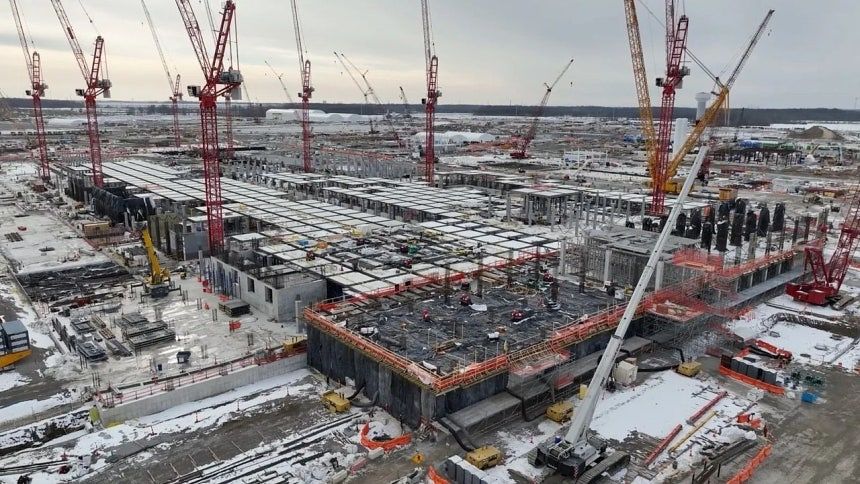
SK Hynix Intel US plant collaboration is currently under active review, with the South Korean memory chipmaker exploring the possibility of producing semiconductors on US soil by utilizing Intel’s manufacturing facilities. According to Reuters and IT industry sources on September 16, SK Hynix is considering leasing a portion of Intel’s Ohio semiconductor campus to establish a front-end wafer fabrication base. The company is also evaluating the potential establishment of a joint venture alongside Intel and major cloud corporations.
Navigating US Tariffs and Expanding Manufacturing
Building semiconductors locally naturally incurs higher basic cost units for construction and labor compared to South Korea. However, following its US ADR listing in July to secure direct investment funds and its existing local backend packaging setup, Reuters analyzes that SK Hynix possesses the capability and environment to pursue US production. This potential partnership acts as a strategic solution to multiple challenges. Currently, SK Hynix is investing approximately $3.87 billion to build a high-bandwidth memory (HBM) packaging facility in Indiana. Yet, mounting pressure from the US Trump administration—including warnings from US Commerce Secretary Howard Lutnick of up to 100% tariffs for failing to commit to local manufacturing—has driven the search for front-end investment options.
Mutual Benefits and Regulatory Hurdles Ahead
For Intel, collaborating with SK Hynix provides a vital pathway to resume halted investments at its massive Ohio campus, a project originally slated for completion by 2025 across an 8-fab site that was stalled due to sluggish financial performance. While the Trump administration stands to benefit significantly by reinforcing the domestic semiconductor supply chain and realizing substantial returns on its roughly 10% equity stake in Intel, potential hurdles remain. South Korea’s Ministry of Trade, Industry and Energy noted that while production plans are at the company’s discretion, projects involving core national technologies remain subject to review under the Industrial Technology Protection Act.