Korean American civic engagement must move beyond temporary election-season mobilization and become part of everyday community life, according to Johng Ho Song, executive director of the Koreatown Youth and Community Center (KYCC).
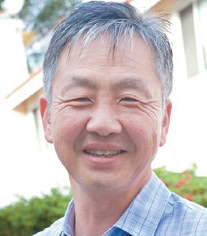
Song said sustainable political influence cannot be built by mobilizing people only when elections approach. Instead, the Korean American community needs a permanent grassroots structure that connects civic participation with issues residents face every day, including housing, education and labor.
Korean American Civic Engagement Can Learn From Latino Communities
Song pointed to the Latino community’s “promotora” model as an example Korean Americans can learn from. Under the model, trusted community members communicate directly with their neighbors, provide information and connect residents with essential services while encouraging civic participation around issues that affect their daily lives.
“What impressed me most about the Latino community is that they do not simply mobilize people temporarily during election season,” Song said. “They organically connect everyday issues such as immigration, housing, labor, education and public safety with civic engagement.”
Song also emphasized the importance of introducing civic participation at an early age.
Rather than focusing primarily on admission to prestigious universities and successful careers, he said, the Korean American community should build a “grassroots ladder” that begins with community service and leads to government internships for college students, service on public commissions and participation in nonprofit organizations.
Political Influence Beyond Elected Office
Song said the community should also broaden its definition of political representation beyond elected office.
“If we focus only on producing elected officials, we will inevitably remain dependent on a small number of individual success stories, leaving the community with a vulnerable structure,” Song said.
He added that Korean American professionals should consistently seek positions on city and county commissions, education-related bodies and government advisory panels where policy decisions are shaped.
Another major challenge, Song said, is continuity.
The Korean American community has repeatedly demonstrated its ability to mobilize quickly during crises, but often lacks permanent networks capable of sustaining that organizational strength after an immediate issue has passed.
Song also called for stronger partnerships with other racial and ethnic communities.
“Rather than competing with other communities, we should think together about how to expand the pie for everyone,” he said. “Instead of waiting to be invited to someone else’s table, we need to step forward first as partners.”
Ultimately, Song said, Korean American civic engagement should become an everyday habit rather than a one-time event tied to election season.
“Simply telling people to vote has its limits,” Song said. “Voters first need to understand how their own vote can bring tangible changes to the lives of their families and their community.”