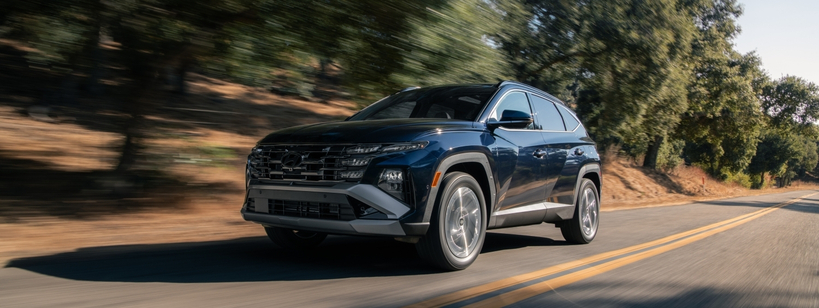
As gasoline prices surge and the demand for eco-friendly vehicles rapidly increases, hybrid cars from Korean brands are experiencing a massive boom in popularity.
Hyundai reported a 39% increase in hybrid sales during the third quarter compared to the same period last year. Kia also saw a dramatic surge, with its hybrid sales skyrocketing by 152% in September year-over-year.
Japanese automakers are also benefiting from the growing demand for hybrids. In the third quarter, Toyota’s hybrid sales rose by 29%, while Honda saw a 21% increase.
Industry analysts suggest that as the national average for gasoline prices exceeds $4 per gallon, car buyers are once again prioritizing fuel economy. Following the outbreak of the war with Iran in late February, rising international crude oil prices have led to a sharp increase in domestic gasoline prices.
In particular, consumers are flocking to hybrids because they offer a lower price point than pure electric vehicles while still providing much better fuel efficiency than standard gas-powered cars. Hybrids combine a gasoline engine with an electric motor, allowing drivers to reduce fuel consumption without the need for external charging.
The popularity of hybrid vehicles has also driven overall sales growth for Hyundai and Kia. Combined third-quarter sales for Hyundai and Kia in the US reached 506,200 units, a 5.4% increase from the same period last year.
During the same period, US third-largest automaker Ford recorded sales of 509,764 units, down 6.6%. The gap in sales between Hyundai and Kia combined and Ford narrowed to just 3,564 units. The margin has become so close that it raises the possibility of Hyundai and Kia overtaking Ford in the US market for the first time.
The overall market share for Asian automakers has also expanded. According to Cox Automotive, Asian brands accounted for more than half of all new cars sold in the US during the third quarter. Conversely, the market share of American automakers fell to historic lows.
Industry experts attribute these contrasting sales performances to the variety of available hybrid models.
Asian automakers, including Hyundai, Kia, Toyota, and Honda, offer hybrid models across a diverse range of vehicle segments, from sedans and compact-to-midsize SUVs to minivans. In contrast, many American automakers spent the last few decades focusing heavily on profitable large SUVs and pickup trucks while discontinuing fuel-efficient sedans and compact cars.
While US automakers are now belatedly rushing to expand their hybrid lineups, developing new vehicles and converting production lines will take time. Both Ford and GM plan to introduce additional hybrid models moving forward.
Meanwhile, electric vehicle sales have been on a downward trend since last year. Generally higher price tags, combined with the expiration of the federal EV tax credit of up to $7,500 last September, widened the price gap between electric and gasoline vehicles. Sales for Tesla, the country’s top EV maker, also dropped by 2% in the third quarter.
Ivan Drury, Director of Insights at Edmunds, explained, “Current market conditions show consumers confirming that hybrids—which offer lower prices and greater convenience than EVs—better suit their needs.”