The previously exclusive realm of longevity medicine is rapidly expanding into major domestic university hospitals and mainstream medical systems.
According to The New York Times, major medical institutions such as Northwestern Memorial Hospital, Mount Sinai, and Weill Cornell Medicine have recently launched successive longevity and healthspan programs, increasing the credibility of longevity medicine, which was previously perceived as fringe healthcare.
Medical institutions introducing longevity clinics aim to extend healthspan—the period lived free of disease or disability—beyond merely increasing lifespan.
Targeting elderly, high-income groups, these programs come with substantial costs.
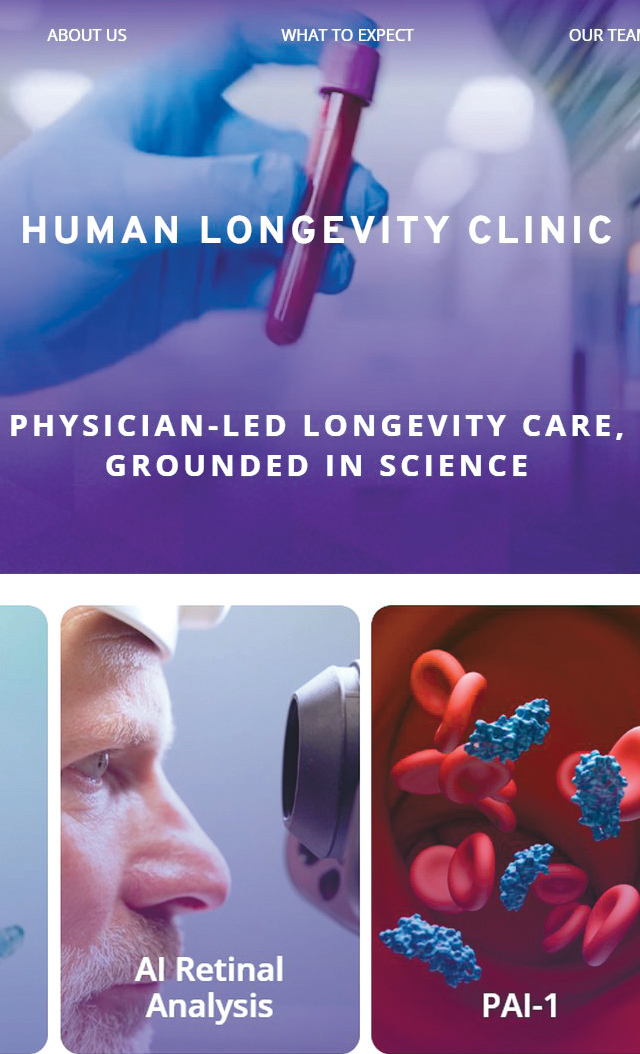
Northwestern’s Human Longevity Clinic charges $5,500 annually. The clinic regularly conducts tests with relatively well-established links to healthy aging, such as VO2 max (maximum oxygen uptake), physical function, and muscle strength assessments. However, it also includes evaluations lacking sufficient validation, such as comprehensive blood tests, body composition, biological age, and retinal scans.
New York’s Mount Sinai is launching a one-year healthspan program featuring genetic testing and whole-body MRIs, while continuously tracking biometric data between hospital visits using an Oura Ring smart monitoring ring.
Weill Cornell’s longevity program, launched last May, charges $7,500 for an initial comprehensive exam and $12,000 for a program including quarterly checkups, focusing intensively on cardiopulmonary function, muscle strength, and mobility alongside personalized exercise and nutrition counseling.
Private longevity clinics are even more expensive. Fountain Life’s top-tier membership program costs $23,500 annually, primarily offering whole-genome sequencing, whole-body MRIs, stem cell therapy, and therapeutic plasma exchange.
However, expensive tests do not guarantee proven life-extension benefits. Critics point out that whole-body MRIs, in particular, can uncover incidental findings with no real health impact, leading to unnecessary follow-up tests, unneeded treatments, and anxiety. Northwestern reportedly does not offer whole-body MRIs or genomic sequencing due to insufficient evidence supporting life-extension benefits.
Cedars-Sinai Health Longevity Clinic in Los Angeles adopted a different approach. Opened last September, it offers insurance-covered baseline evaluations such as physical function, bone health, blood glucose, and blood tests, while making additional tests available through clinical research trials to improve financial accessibility.
The biggest hurdle to the spread of longevity medicine is cost. Many tests and treatments are not covered by insurance and must be paid out of pocket by patients. Experts note that while fields with strong scientific backing like diet, exercise, and cardiopulmonary improvement are solid, certain tests and treatments remain unverified in clinical trial stages.
Ultimately, as longevity medicine enters university hospitals, a new focal point of interest is whether it can evolve from an expensive medical service for the wealthy into evidence-based preventative medicine.