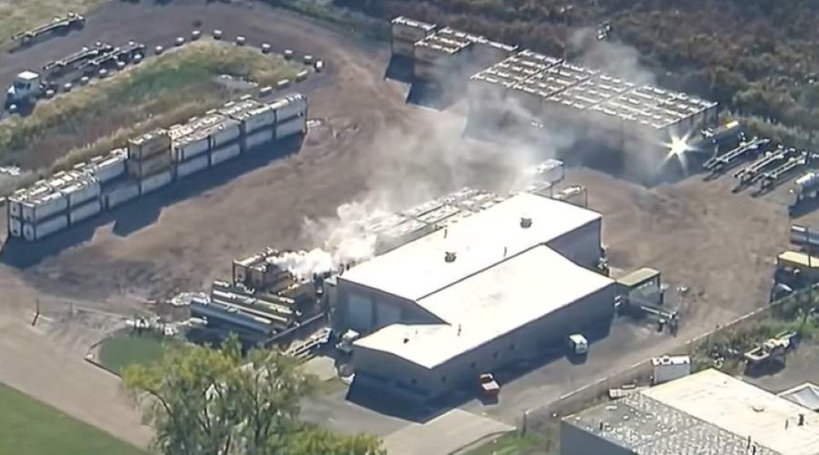
An emergency Ohio chemical leak occurred late on October 20 at the MC Tank Terminal in Toledo, Ohio, involving the toxic chemical glycidyl methacrylate. United States authorities immediately responded to the hazardous material release and potential explosion risks by issuing mandatory evacuation orders within a 1-mile radius, later expanding shelter-in-place recommendations to a 3-mile radius.
While local residents in Toledo were instructed to close windows and shut down ventilation systems, officials in Windsor, Ontario, closely monitored the situation across the border. The Windsor Fire and Rescue Services confirmed that given the distance of approximately 55 to 70 kilometers from the spill site and favorable wind patterns directing air away from Ontario, there was no immediate threat to Canadian residents.
Understanding the Toxic Chemical Spill and Evacuation Orders
The hazardous incident began at approximately 10:48 p.m. at the terminal facility located in northern Toledo. Glycidyl methacrylate, the substance leaked during the event, is recognized as a toxic chemical known to cause severe irritation and burns to the eyes, nose, throat, and skin. Due to the high volatility and explosive potential of the material, municipal authorities acted swiftly to safeguard the surrounding community.
US emergency management teams enforced strict perimeter controls, urging citizens within the affected zones to stay indoors and minimize exposure to outdoor air. Local government agencies continue to coordinate closely with emergency responders to contain the hazard and mitigate long-term environmental risks.
Cross-Border Environmental Safety and Monitoring
This industrial accident highlights the critical importance of robust cross-border safety frameworks and real-time environmental monitoring systems. Because chemical plumes and atmospheric pollutants can rapidly traverse regional boundaries, neighboring jurisdictions must maintain open communication channels and shared predictive modeling tools.
Although current meteorological data indicates that wind directions are carrying the toxic vapor away from the Canadian border, continuous surveillance remains essential. Authorities in both nations emphasize the necessity of proactive disaster preparedness to protect public health and secure industrial corridors in transboundary regions.