Major advanced economy central banks have raised their benchmark interest rates 16 times this year, with not a single rate cut recorded. Combined with surging oil prices driven by Middle East conflicts, the inflation pressure sparked by the artificial intelligence (AI) investment boom is heightening the possibility of prolonged high interest rates.
Global Central Banks Accelerate Tightening Amid Inflation Pressures
Synthesizing rate decisions from various central banks, G10 monetary authorities—including the U.S., Eurozone, and Japan—have hiked benchmark rates a total of 16 times up to the 4th of this month. The cumulative rate hikes amount to 4.00 percentage points. Notably, in September alone, six central banks raised rates by a combined 1.50 percentage points, marking the largest monthly hike scale since June 2023. While only Canada raised rates in October to take a brief pause, the rate-hike parade resumed in November.
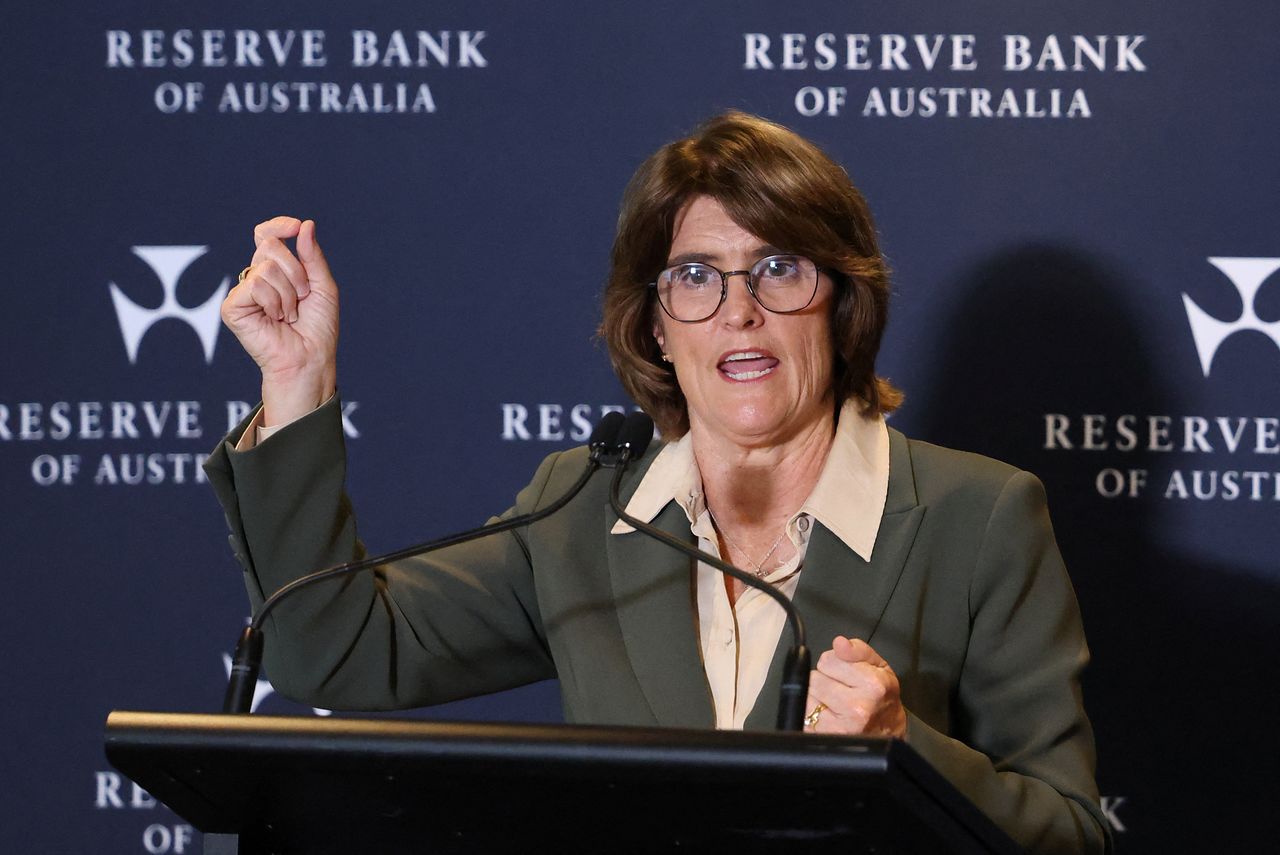
The Reserve Bank of Australia (RBA) raised its benchmark interest rate by 0.25 percentage points to 4.85% on the 3rd. This marks the fifth hike of the year, reaching the highest level in 18 years since 2008. The following day, Sweden’s central bank also raised its benchmark rate by 0.25 percentage points to 2.00%. Sweden projected that supply disruptions and economic recovery stemming from the Middle East conflict will keep next year’s inflation rate above its 2.0% target.
AI Investment Boom and Energy Costs Drive Up Global Interest Rates
Fueling this tightening cycle are Middle East-driven energy price increases and stubbornly persistent demand. Australia’s consumer price inflation rate for September hit 4.3%. RBA Governor Michele Bullock explained, “Rate hikes cannot lower international oil prices, but the purpose of raising rates is to curb demand exceeding the supply capacity of the Australian economy.”
The AI investment craze has also emerged as a new inflation driver. The RBA pointed out that rapid price increases in tech products are being fueled by expanded AI investments. U.S. Federal Reserve (Fed) Governor Lisa Cook recently stated, “In the near term, AI appears to increase inflationary pressures in the economy,” noting that the electricity and labor demand required to construct data centers could stimulate costs in other industries as well.
Bank of Korea Governor Rhee Chang-yong also remarked at last month’s International Monetary Fund (IMF) annual meeting, “Whether the natural interest rate will rise because of AI is an interesting question,” adding, “Simple growth models suggest that as growth rates rise, interest rates will also rise.”
Outlook for Additional Rate Hikes and South Korea’s Stance
In the U.S., where rates were raised last September for the first time in 3 years and 2 months, expectations are leaning toward additional hikes. According to the Chicago Mercantile Exchange (CME) FedWatch tool, the fed funds futures market reflected a 77.5% probability that the Fed will raise its benchmark interest rate by 0.25 percentage points or more in December. The Bank of England is also expected to raise its benchmark rate from 3.75% to 4.00%.
South Korea faces a similar dilemma. After consecutive rate hikes in July and August, the BOK froze rates at 3.00% in October. However, October’s consumer price inflation rate still hovers at 2.8%, exceeding the 2.0% target. With growth improving on the back of a semiconductor boom, possibilities of an additional rate hike are being discussed ahead of the meeting on the 26th.
Oxford Economics Economist Ryan Sweet noted, “Monetary policy is restrictive, but it does not yet appear to be restrictive enough,” adding, “Future tightening intensity mostly depends on inflation trends. The key question is how much more tightening is needed to return inflation to target levels.”>