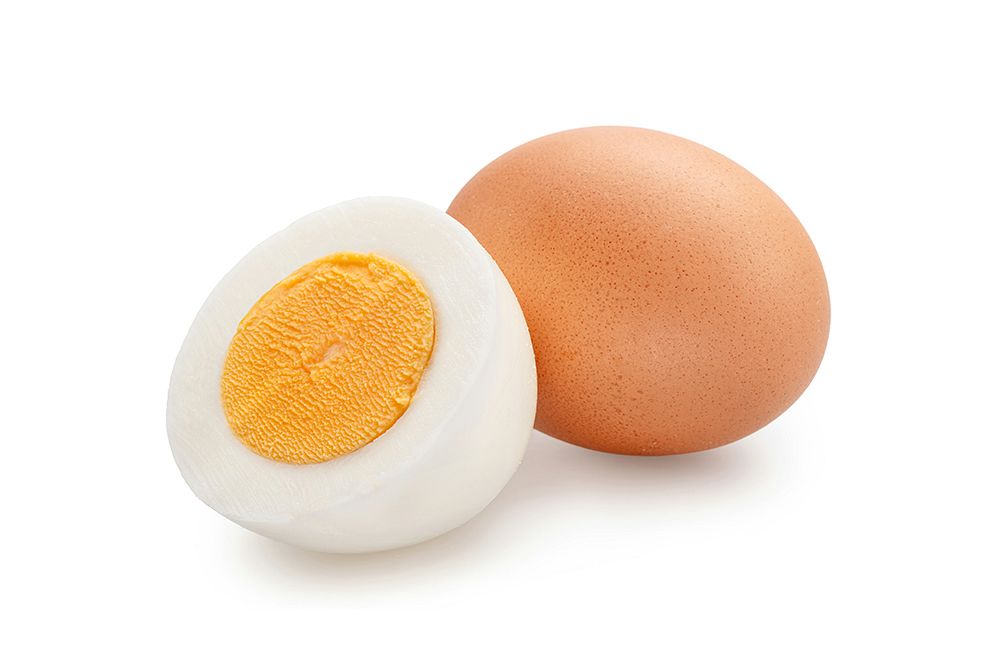
The 50-Year Myth of Egg Yolks and Cholesterol
Eggs were treated unfairly for decades. Changing public perception about them proved to be an uphill battle. Yoon Sang-hyun, 26, only eats egg whites, believing that the yolk is bad for him because of its cholesterol content. Bad news tends to linger, and in the case of eggs, that stigma lasted for over 50 years. In 1968, the American Heart Association (AHA) issued a guideline recommending no more than three eggs per week. Because the daily recommended limit for dietary cholesterol was under 300 mg, and a single egg yolk contained between 185 and 240 mg, eggs were branded as a primary culprit of heart disease by the academic and industrial consensus for more than half a century.
New Research and the Benefits of Whole Eggs
However, the AHA withdrew this recommendation in 2019 as accumulating research challenged the old beliefs. A notable study in 2024 by the American College of Cardiology (ACC) found that having high-risk cardiovascular patients consume 12 eggs a week for four months had no significant impact on their bad LDL cholesterol levels. Medical and nutritional experts in South Korea now state that one egg a day is safe, and up to two eggs daily pose no major problems. Lecithin, a component found in egg yolks, actually helps prevent cholesterol absorption, reduces blood cholesterol, and assists the body in excreting fat. Furthermore, a 2017 study in the American Journal of Clinical Nutrition showed that muscle growth response was 40% higher in a group that consumed both egg whites and yolks compared to a group that ate only egg whites. Choline, a building block of lecithin, plays a major role in neurotransmission and muscle contraction.
The Ultimate Complete Protein Source
Egg yolk cholesterol no longer stands in the way of recognizing eggs as a complete protein source containing all nine essential amino acids that our bodies cannot produce. Consequently, organizations like the World Health Organization (WHO) and the Food and Agriculture Organization (FAO) use eggs as the benchmark for evaluating protein quality through amino acid scoring patterns. Despite their compact size of 55 grams, they pack rich nutrition, which drives the renewed popularity of eggs now that they have cleared their false reputation. Still, dietary balance remains essential, and proper food combination is key to a healthy diet.