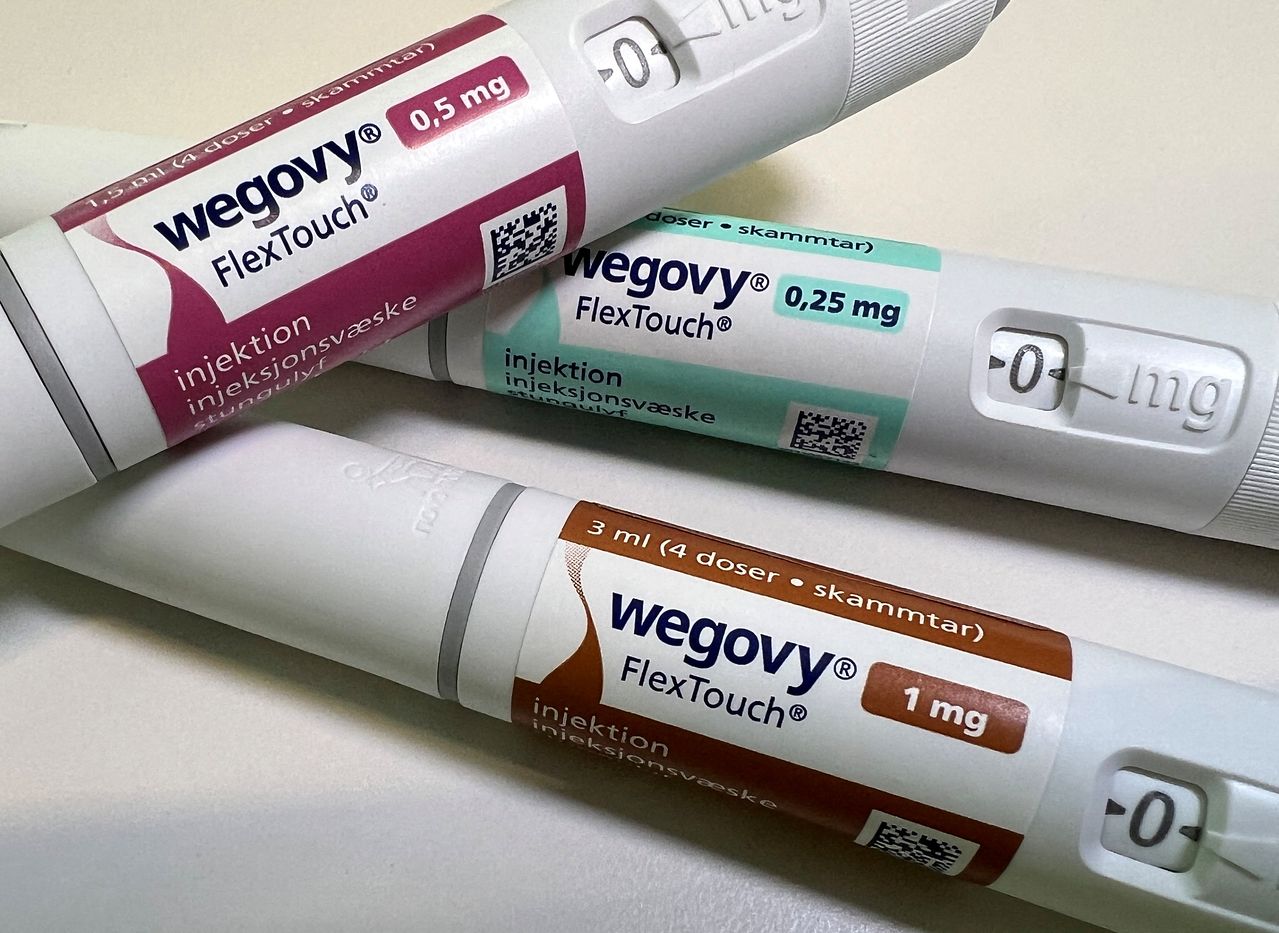
The U.S. Food and Drug Administration (FDA) has ordered prescription drug labels for Wegovy vision loss risk and other GLP-1 weight loss and diabetes treatments to include warnings about a rare optic nerve disorder that can impair vision.
On the 9th local time, the FDA requested that drug manufacturers add the increased risk of non-arteritic anterior ischemic optic neuropathy (NAION) to the ‘Warnings and Precautions’ section across all GLP-1 treatments. The affected medications include semaglutide (used in Wegovy and Ozempic), tirzepatide (Mounjaro and Zepbound), and liraglutide (Saxenda).
This condition occurs when the front part of the optic nerve does not receive sufficient blood supply. Typical symptoms include a sudden loss of vision in one eye or a blocked portion of the field of vision without pain, which patients sometimes first notice upon waking in the morning. In severe cases, permanent vision impairment can result. The FDA advises patients to immediately notify medical staff if these symptoms occur and to seek prompt ophthalmologic evaluation if the condition is suspected.
The FDA reviewed clinical trials and post-marketing data after a 2024 study suggested the disorder occurred more frequently in patients prescribed semaglutide. A combined analysis of 126 randomized clinical trials of various GLP-1 treatments showed that over a period equivalent to observing 100,000 people for a year, suspected cases of optic neuropathy were 6.4 in the GLP-1 treatment group compared to 3.8 in the comparison group taking placebos or other diabetes drugs. The FDA concluded that GLP-1 treatment use may increase the risk of onset, though the exact mechanism by which the drugs elevate this risk remains unknown.
Domestic cases have also been reported in South Korea. During last month’s parliamentary audit, Ministry of Food and Drug Safety Minister Oh Yu-kyung stated that one report had been received in December 2024 regarding a patient who developed this condition after administering Wegovy.
The Ministry of Food and Drug Safety completed the label updates for semaglutide products last month, adding the risk to the warnings and precautions section of the product labeling. Epidemiological studies cited in the updated Wegovy labeling observed a link between semaglutide use in adults with type 2 diabetes and roughly twice the risk of onset, estimating that treating 10,000 patients with semaglutide for a year adds about one extra case. Accordingly, instructions state that patients who experience sudden vision loss should undergo eye exams, and if confirmed to have this condition, administration must be stopped.
Mounjaro’s labeling has not yet reflected this warning. A Ministry of Food and Drug Safety official stated they are aware of the U.S. action and plan to review expert opinions and potential label changes for GLP-1 class treatments.
Novo Nordisk maintains that a causal relationship between the drug and this disorder has not been established. Eli Lilly noted that the FDA action targets the entire drug class and stated it will review the announcement details to respond accordingly.
Experts advise patients to carefully weigh the risks and benefits with their prescribing physicians, particularly emphasizing caution for those using the medications strictly for cosmetic purposes. If vision suddenly blurs during treatment, patients should immediately seek ophthalmology care and consult their prescribing physician before taking the next dose.