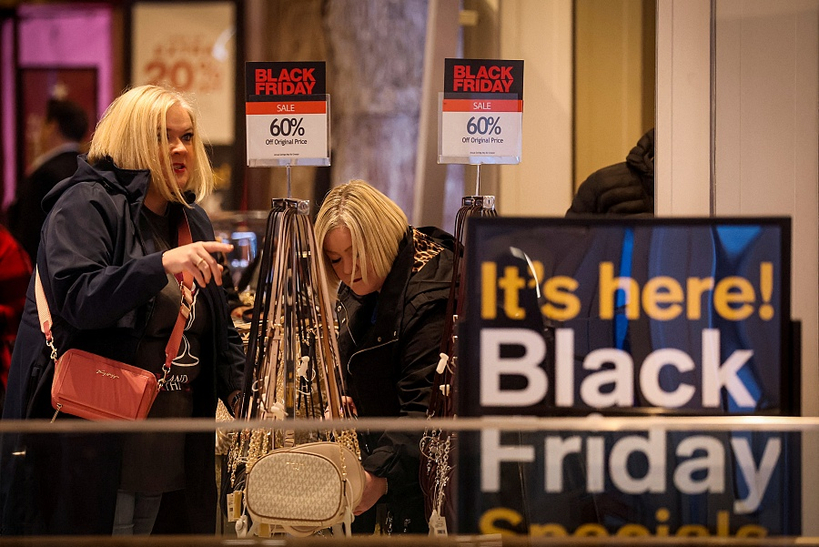
When the annual shopping season arrives, many consumers assume that Black Friday deals always offer the lowest prices of the year. However, a recent study reveals that about 4 in 10 products advertised as discounted are actually priced the same as—or even higher than—their usual rates.
Are Black Friday Discounts Real?
According to a recent price analysis conducted by personal finance company WalletHub, roughly 38% of products surveyed offered no genuine savings compared to their everyday prices. Chip Lupo, an analyst at WalletHub, explained that while these items fail to provide real value, the products that are genuinely discounted feature an average discount rate of 25%, with the highest reaching up to 80%.
The findings indicate that 62% of Black Friday promotional items are indeed sold at lower prices than usual. This means that while substantial savings do exist, consumers should not blindly trust every promotional claim.
How to Spot Fake Sales
Certain items promoted under special Black Friday sales may show little to no difference from standard pricing. Even if an advertisement claims a 50% discount off the regular price, buyers must verify whether that original price was what the item actually sold for normally.
WalletHub also noted that the depth of discounts varies depending on the product category. Packaged consumer goods and apparel tend to offer relatively better savings. Experts advise shoppers to compare actual selling prices with historical averages rather than relying solely on high discount percentage claims.
Conservative Consumer Spending
Ahead of this year’s shopping events, consumer spending plans appear quite conservative. In a WalletHub consumer survey, 85% of respondents stated that they plan to spend a similar amount or even less compared to the previous year.