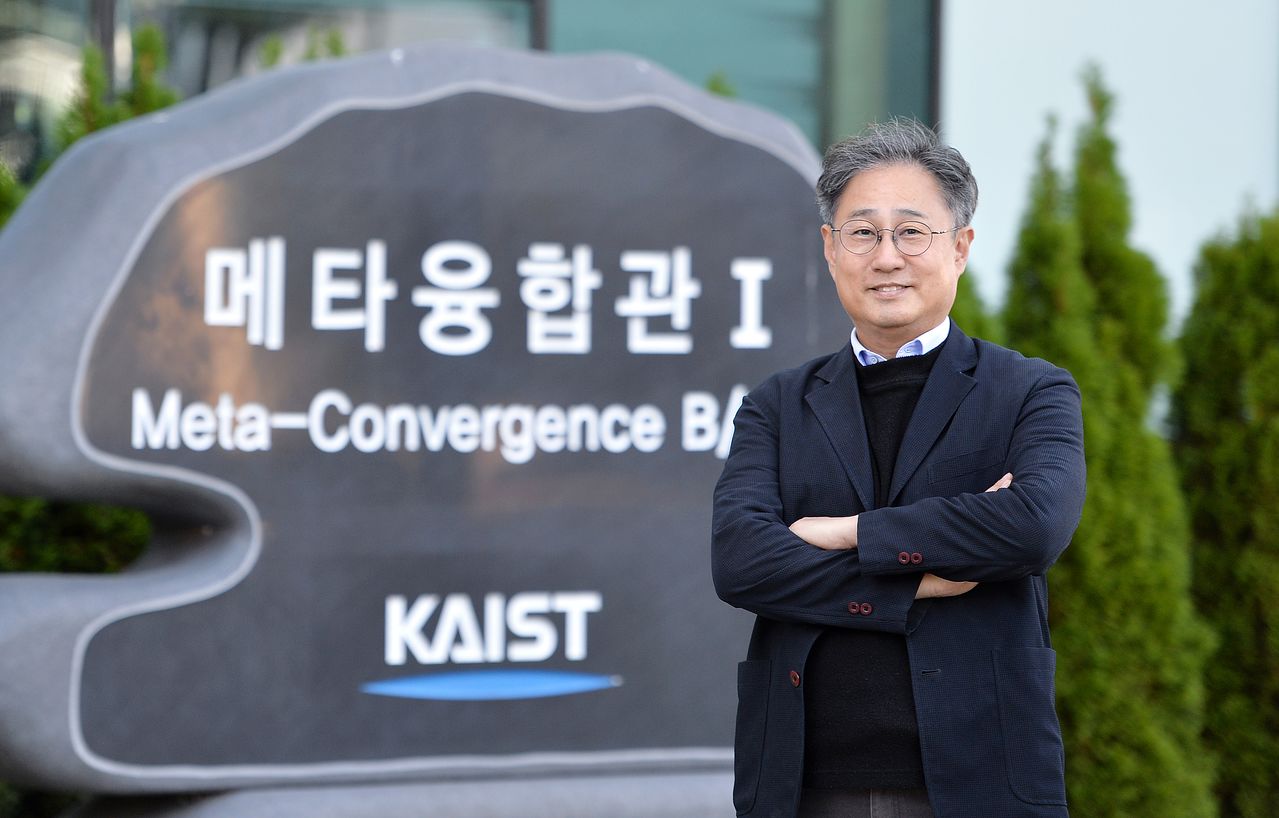
When KAIST Brain and Cognitive Sciences Professor Dae-soo Kim was first diagnosed with severe ADHD, his prescription medication brought immediate calm. However, he quickly decided to stop taking it, choosing instead to understand and leverage his unique ADHD brain.
Today, Professor Kim enters intense hyper-focus states lasting three to six hours whenever inspiration strikes, completely losing track of hunger, fatigue, and even basic needs. Yet, this remarkable capability was preceded by a lifetime struggle with a wandering mind and chronic lack of focus.
During his school years, Dae-soo was perpetually distracted. In class, his mind wandered, leaving him unable to finish notes or complete homework. He frequently wore mismatched shoes or his mother’s pants to school. Despite loving science—keeping various animals and plants—his grades hovered in the 60s due to his inability to concentrate on traditional lectures.
After failing to enter universities in Seoul and struggling through local college applications, the boy who once failed to concentrate eventually published papers in prestigious journals like Nature, Science, and Neuron. He became a KAIST professor and founded a therapeutic startup for brain disorders.
The turning point in his life occurred at a prep academy for entrance exams. Unlike standard classrooms, the instructor presented concise summaries without fluff, allowing the pacing and logical connections to resonate with his mind. Professor Kim realized his issue was not a lack of concentration, but a fundamentally different way of focusing.
After earning degrees from Sogang University and POSTGRES/POSTECH, he embraced an environment that allowed free research, unleashing his true potential. While studying brain science, he discovered his own ADHD after his second child received a diagnosis and he underwent testing.
Professor Kim emphasizes that people process and sustain attention differently, even developing a test to help individuals identify their specific focus types. He suggests practical adjustments, such as wearing the exact same clothes every day to minimize decision fatigue, as part of a personalized routine to maximize cognitive performance.