When exploring the political history of British Columbia, one can uncover a fascinating array of bygone laws and quirky anecdotes that seem almost unbelievable today, such as era-defining restrictions like BC Ferries and public event policies. There was a time when Sunday sports were strictly prohibited, and selling alcohol on election days was entirely illegal. Even stranger, a political party once campaigned on the promise of officially designating Valentine’s Day as a statutory holiday.
The Evolution of Voting Rights in BC
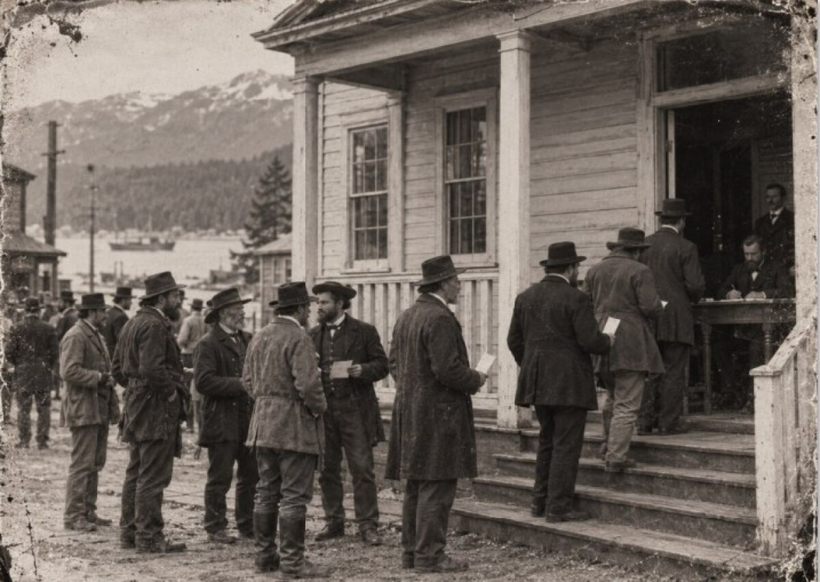
BC’s very first election took place back in 1871, with fewer than 5,000 people participating. Voting was heavily restricted to British subjects who were 21-year-old males meeting specific property and residency requirements, leaving significant portions of the population entirely disenfranchised due to discriminatory laws.
It wasn’t until 1949 that Indigenous people finally gained the right to vote in British Columbia provincial elections. That same year, Frank Calder of the Nisga’a Nation made history by becoming the first Indigenous Member of the Legislative Assembly (MLA) in BC. The representation of Indigenous women in the legislature took much longer, happening 67 years later in 2016 when Melanie Mark won her seat in Vancouver-Mount Pleasant and subsequently became the first Indigenous woman to serve in the provincial cabinet.
Quirky Laws: From Sunday Sports to Wine Clashes
Past regulations extended far beyond voting booths, significantly impacting daily life and recreation. Throughout the 1950s, commercial sports events were strictly banned on Sundays across BC. Following persistent lobbying by Vancouver city councillors and local MLAs, a court ruling finally permitted Sunday games in Vancouver starting in 1959, a policy that expanded province-wide by 1969.
Provincial politicians were also known to butt heads with local industries quite publicly. In the early 1970s, Pat McGeer, the MLA for Vancouver Point Grey, openly criticized BC wines for being overpriced and subpar. His crusade culminated in a dramatic blind taste-testing event in 1974 that directly compared imported wines against local BC varieties.
Unique Political Parties and Electoral Reforms
British Columbia’s political landscape also featured unconventional movements. One fringe party campaigned passionately on reforming sex work laws, improving sex education, and establishing Valentine’s Day as a public holiday. Despite running candidates in the 2005 and 2009 provincial elections, the party consistently failed to secure even 1% of the vote in any riding and ultimately dissolved in 2012.
Electoral frameworks themselves have undergone massive transformations over the decades. Historically, BC treated election days as public holidays, mandating employers to grant workers four hours off to cast ballots, while the prohibition on selling alcohol on election day remained in effect until 1977. At one point in the province’s history, the leader of the provincial government—the Premier—was even referred to as the prime minister.