Group BTS Peru concert has successfully drawn over 150,000 fans during their historic first-ever performances in the country, showcasing explosive ticket power.
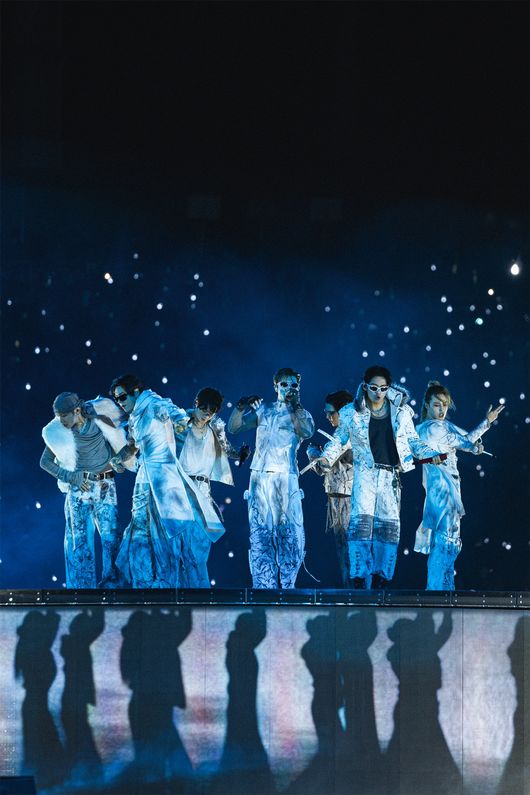
The group held the ‘BTS WORLD TOUR ‘ARIRANG’ IN LIMA’ at Estadio San Marcos in Lima, Peru, on the 7th, 9th, and 10th (local time), connecting with a total of 150,150 fans. Initially planned for two shows, the event added a third show due to enthusiastic local support, resulting in a complete sellout across all three dates.
Greeting enthusiastic local fans with passionate sing-alongs, the members responded with boundless energy. BTS greeted the crowd in Spanish with “Los amo” and shared their emotional impressions of their first visit, saying, “Your passion is truly incredible. We wonder why we didn’t come to Peru sooner.” In particular, Jimin, whose birthday falls on the 13th, touched the hearts of the audience by stating, “We will live on without ever forgetting the fact that you are sending us so much love from the other side of the world.”
Massive Economic Boost for Lima
The visit by BTS also generated a massive ripple effect on the local economy in Lima. The Peruvian Ministry of Foreign Trade and Tourism (MINCETUR) projected that over 50,000 people visited Lima for the concerts, generating an estimated tourism effect of about $18.7 million (approximately 25.1 billion KRW). The Lima Chamber of Commerce similarly estimated the economic impact to reach up to 200 million soles (approximately 78 billion KRW) based on increased consumption in lodging, transportation, and food and beverage sectors.
Actual transportation demand surged as well. According to local media outlet El Comercio, ride-hailing service Cabify saw ride requests to the stadium spike up to 15 times normal levels on the first day of the concert, soaring up to 48 times immediately after the show concluded.
Continuing the South American Tour
Having successfully wrapped up their schedule in Peru, BTS is set to continue the momentum of their South American tour by heading to Santiago, Chile on the 14th and 16th-17th, followed by Buenos Aires, Argentina, and São Paulo, Brazil.