CalFresh Benefit Increase October 2026 brings important news for millions of low-income families across California as monthly assistance payments under the Supplemental Nutrition Assistance Program (SNAP) prepare to adjust upward starting next month. Local social service departments throughout the state are gearing up for the annual fiscal year transition, which officially updates benefit distribution guidelines to reflect cost-of-living index changes across the nation.
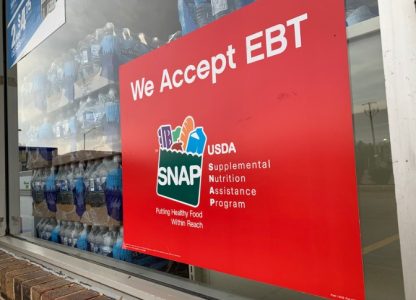
According to updated administrative directives published by the United States Department of Agriculture (USDA), maximum monthly allotments for nutrition benefits will increase by approximately 2.9% across 48 contiguous states and Washington, D.C. The newly adjusted rates are scheduled to take effect on October 1, aligning directly with the start of the 2027 federal fiscal year.
Federal economic reporting notes that the 2.9% rate boost is slightly above the national food price inflation index, which registered at 2.7%. However, consumer advocacy organizations and community leaders point out that the rate falls behind the broader national inflation rate of 3.4%. Despite the gap between food assistance adjustments and overall consumer inflation, state officials emphasize that every incremental increase provides critical baseline support for low-income households struggling with daily grocery and household expenditures.
Under the revised payment schedule released by welfare administrators, maximum monthly benefits will adjust according to total household size. For single-person households, the monthly maximum allotment will rise from $298 to $306, representing an $8 monthly increase. Two-person households will see their monthly benefits increase by $16, moving from $546 to $562. For three-person households, monthly allotments will experience a $23 increase, going up from $785 to $808. Families of four will receive an additional $29 per month, raising their maximum payout cap from $994 to $1,023. Larger households with five or more members will receive proportional increases added to their baseline monthly benefits in accordance with established federal nutrition guidelines.
Alongside the higher benefit allotments, federal authorities have updated the baseline gross income limits to expand program accessibility for low-wage earners and families. For a single-person household, the baseline federal gross monthly income cap will increase from $1,696 to $1,729. A two-person household will see its gross monthly income cap rise from $2,292 to $2,345. In the case of a three-person household, the gross monthly income ceiling moves from $2,888 to $2,960. Meanwhile, a four-person household will be subject to a new gross monthly income ceiling that goes up from $3,483 to $3,575.
California residents should note that the state enforces Expanded Categorical Eligibility (ECE) policies. Under California regulations, most households can qualify with gross monthly incomes up to 200% of the federal poverty line—a significantly higher threshold than federal baselines.
County welfare departments emphasize that meeting preliminary gross income limits does not automatically guarantee maximum monthly payments. Actual monthly benefit amounts awarded to each family are calculated individually by local county agencies after factoring in countable net income and allowable deductions for essential living expenses, including housing costs, rental fees, utilities, childcare expenses, and out-of-pocket medical care.
State welfare officials also remind beneficiaries that expanded work requirements for certain able-bodied adults without dependents (ABAWDs) aged 18 to 64 have been actively expanding across California since June 1. Recipients are encouraged to consult with their local county social service office to verify how the upcoming October benefit adjustments and ongoing work guidelines apply to their specific active cases.
By Eunyoung Lee