
The Grand Retreat: Sellers Pull Plugs as Buyers Gain Leverage
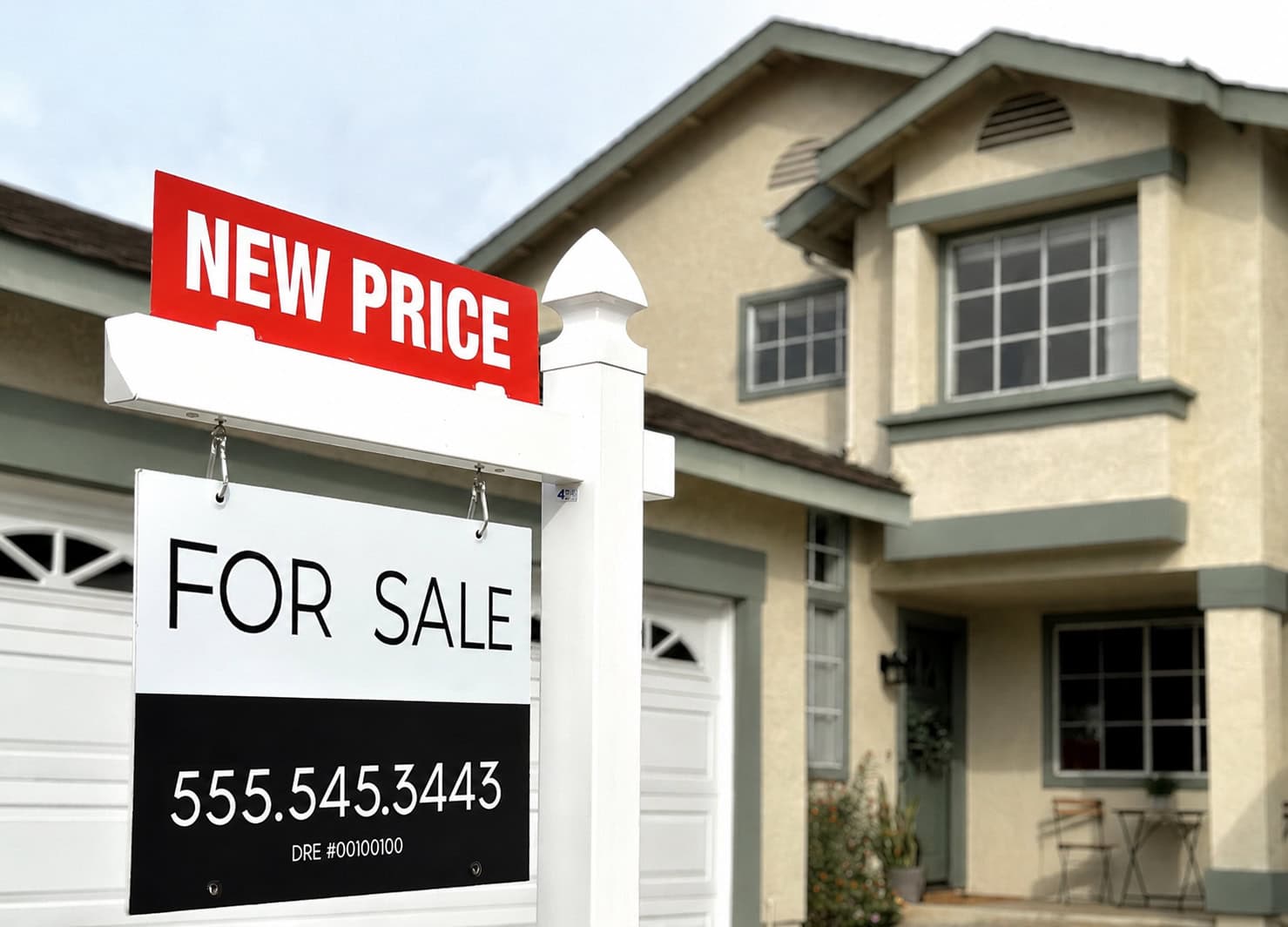
For the past several years, residential real estate was defined by a frantic, high-stakes scramble where sellers held all the cards. Today, that dynamic is fracturing. Facing a market that has steadily shifted in favor of buyers, a growing number of homeowners are choosing to take their ball and go home.
According to a comprehensive housing market study released by real estate brokerage Redfin, a striking 5.8% of active home listings nationwide were completely withdrawn from the market without finding a buyer. This marks a notable 0.8 percentage point increase from the 5% cancellation rate recorded a year prior. More importantly, it represents the highest volume of market desertions documented since March 2020—the chaotic onset of the pandemic when the global economy came to a temporary standstill.
Metropolitan Heatmaps: High-Cost Cities See Biggest Dropouts
This trend of localized listing cancellations isn’t happening in a vacuum; it is heavily concentrated in major metropolitan centers where living expenses and baseline real estate values have already stretched consumer budgets to their absolute limits.
Southern California has emerged as a primary hotspot for this seller retreat. In Los Angeles, a region experiencing an increasingly pronounced shift toward buyer-friendly negotiation dynamics, 7.8% of all registered listings were pulled off the market—a 1.7 percentage point increase year-over-year. Nearby Anaheim posted similar metrics, with its cancellation rate climbing 1.5 percentage points to hit 6.6%.
Across the wider United States, the resistance to price corrections created several major dropouts:
-
Atlanta, GA: Holds the absolute highest withdrawal rate in the country, with a massive 10.7% of active listings vanishing from real estate databases.
-
San Jose, CA: Sits closely behind at 9.3%, highlighting severe friction in the Silicon Valley tech corridor.
-
Dallas, TX & Seattle, WA: Logged significant disruptions, with cancellations climbing to 7.8% and 7.7% respectively.
“The days of uninhibited, rapid price appreciation are behind us, and when you combine that reality with surging daily living costs, buyers are flat-out refusing to submit over-ask emotional bids,” explains Patricia Amman, a premier field agent with Redfin. “Instead of adjusting to this new baseline and cutting their asking prices, many stubborn sellers are simply taking their properties off the market entirely.”
The Anatomy of a Stalemate: High Rates Meet Anchored Expectations
The underlying mechanics behind this widespread listing fatigue come down to a basic standoff between interest rates and psychological anchoring.
With average mortgage rates hovering at levels more than double the historic lows seen during the pandemic, a massive segment of active shoppers has been forced to step away from the market due to diminished purchasing power. As a consequence, properties are sitting on the market significantly longer. Concurrently, new inventory is outpacing organic buyer demand, creating intense competition among sellers for a limited pool of qualified buyers.
The primary hurdle, however, remains psychological. Many current homeowners are still emotionally anchored to the historic peak pricing boom of 2020–2022. Having witnessed neighbors cash out with massive windfalls just a few years ago, these individuals maintain price expectations that are completely disconnected from today’s macroeconomic reality.
The U-Turn: Reluctant Sellers Return with Real Pricing
Despite the high initial cancellation rates, taking a home off the market isn’t always the end of the story. In fact, a secondary trend is quietly emerging: the rise of the strategic re-listing.
After throwing in the towel and pulling their properties off the market, a growing subset of sellers are going through a reality check. Realizing that macroeconomic conditions are unlikely to shift back to a hyper-inflated state anytime soon, these homeowners are adjusting their financial expectations and putting their homes back up for sale at significantly more realistic price points.
| Metro Area | Re-listing Rate (Withdrawn & Re-entered within 12 Months) | Year-Over-Year Growth |
| San Francisco, CA | 4.2% (Highest in the Nation) | Steady Increase |
| San Jose, CA | 4.1% | High Concentration |
| Boston, MA | 3.8% | East Coast Leader |
| Los Angeles, CA | 3.5% | Up 1.0% Percentage Points |
| Anaheim, CA | 2.9% | Up 1.1% Percentage Points |
Nationally, 2.5% of all active listings represent properties that were canceled once within the previous 12 months but have since re-entered the market—marking the highest recycling rate the industry has tracked since 2020.
“Homeowners are finally connecting the dots on how a balanced market works,” notes Redfin agent Monica DiSchiano. “They are beginning to realize that even if they accept a slightly lower sales price on their current home, the next property they purchase will also be secured at a more reasonable, discounted rate. This mindset shift is slowly melting the ice, bringing much-needed inventory back into play.”