Korean American Political Power depends not simply on electing Korean American candidates, but on building a community whose voice elected officials cannot afford to ignore, according to Steve Kang, president of the Los Angeles Board of Public Works.
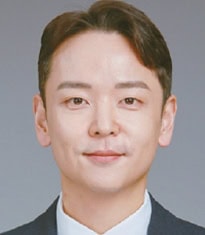
Kang identified three essential elements for building lasting political influence: campaign contributions, voter participation and community organization.
“In politics, people pay close attention to whether a particular community can actually mobilize and, beyond that, whether it can sustain its influence through the next election and beyond,” Kang said.
Korean American Political Power Goes Beyond Electing Korean Candidates
Kang said the community should move beyond a political strategy focused primarily on supporting Korean American candidates.
Instead, he said, Korean Americans should identify and cultivate long-term relationships with political allies, regardless of race or ethnicity, who understand the community’s concerns and needs.
“A truly powerful community is not one that simply has many elected officials from its own party or ethnic background,” Kang said. “It is one that no elected official can afford to ignore.”
He pointed to the Jewish American community as an example of sustained political engagement. According to Kang, Jewish American organizations identify candidates who share their policy priorities and maintain relationships with them well beyond a single election, supporting political relationships as officials win reelection and gain seniority and influence.
Kang said Korean Americans should similarly develop a culture of actively communicating their priorities to elected officials. Political participation, he said, should not end with campaign contributions or endorsements. The community must continue raising policy concerns and pressing elected leaders to address them after taking office.
Expanding Grassroots Political Giving
Broadening the base of political donors is another important step, Kang said.
Rather than relying heavily on a small number of major donors, he said, hundreds or thousands of residents making recurring contributions of $25, $50 or $100 can send a powerful signal to political campaigns about the depth of community engagement.
“The Korean American community is often enthusiastic about donating and showing support, but tends to be more cautious when it comes to clearly stating what it wants,” Kang said. “As citizens participating in the political process, we need to clearly communicate what our community needs.”
Kang also emphasized that political influence requires developing talent beyond elected office.
He called for a stronger pipeline to help Korean Americans enter legislative offices, government agencies, commissions, political campaigns and policy organizations. Such an effort could begin with college internships and continue through careers in government and public service.
Ultimately, Kang said, the foundation of Korean American Political Power is the ballot.
“Population size alone does not automatically translate into political power,” Kang said. “It becomes real political power only when people register to vote, show up at the polls and mobilize as an organized community.”