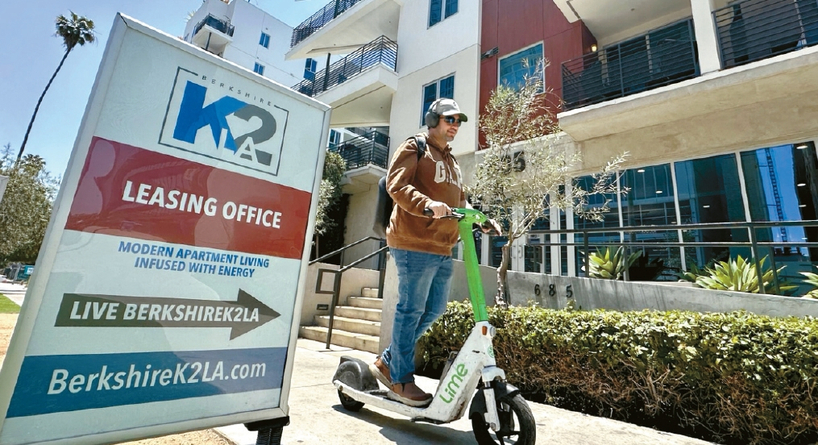
Amid the prolonged housing crisis in the LA area, it has been found that the size of newly constructed apartments is becoming increasingly smaller. LA apartment rental market trends, according to a recent report by apartment data provider RentCafe, show that the average size of a newly built apartment in LA is 770 square feet—a reduction of about 6%, or approximately 50 square feet, compared to ten years ago.
The Trend of Shrinking Living Spaces
A similar trend is observed in other major metropolitan areas, including Philadelphia, Seattle, Washington D.C., and Boston, where the average size of new apartments has also decreased. In Anaheim, adjacent to Los Angeles, the average size of a new apartment is currently 847 square feet, a 14% drop from a decade ago. Analysts attribute this reduction to high housing demand and shifting household compositions. Veronica Greco, an analyst at RentCafe, explains that in high-demand markets, developers prefer building studios and one-bedroom units to increase supply for the growing number of single-person and small households, which consequently lowers the average living area.
Skyrocketing Costs and Rent Burden
Despite the shrinking square footage, rental costs continue to rise. According to the Zillow Observed Rent Index (ZORI), the typical rent in LA was $2,941 last month, a 1.6% increase from the previous year. LA also exhibits one of the highest rent-to-income ratios in the nation. Among major cities, New York leads with 40.6% of income going toward rent, followed by Miami at 36.9%, LA at 34.0%, Riverside at 31.2%, and San Diego at 30.5%. Generally, households spending over 30% of their income on housing are considered to be under significant financial pressure.
Renting vs. Buying in Los Angeles
Despite high rent, data shows that living in a rental is significantly more affordable than purchasing a home in LA. The average monthly housing cost for a new home buyer, including taxes and insurance, is $7,382—more than double the average monthly rent of $2,941. This creates a monthly gap of $4,441, meaning tenants save approximately $53,292 in annual housing expenses compared to buyers. This widened gap is attributed to the fact that home prices in expensive coastal cities like LA have been rising much faster than rental rates.