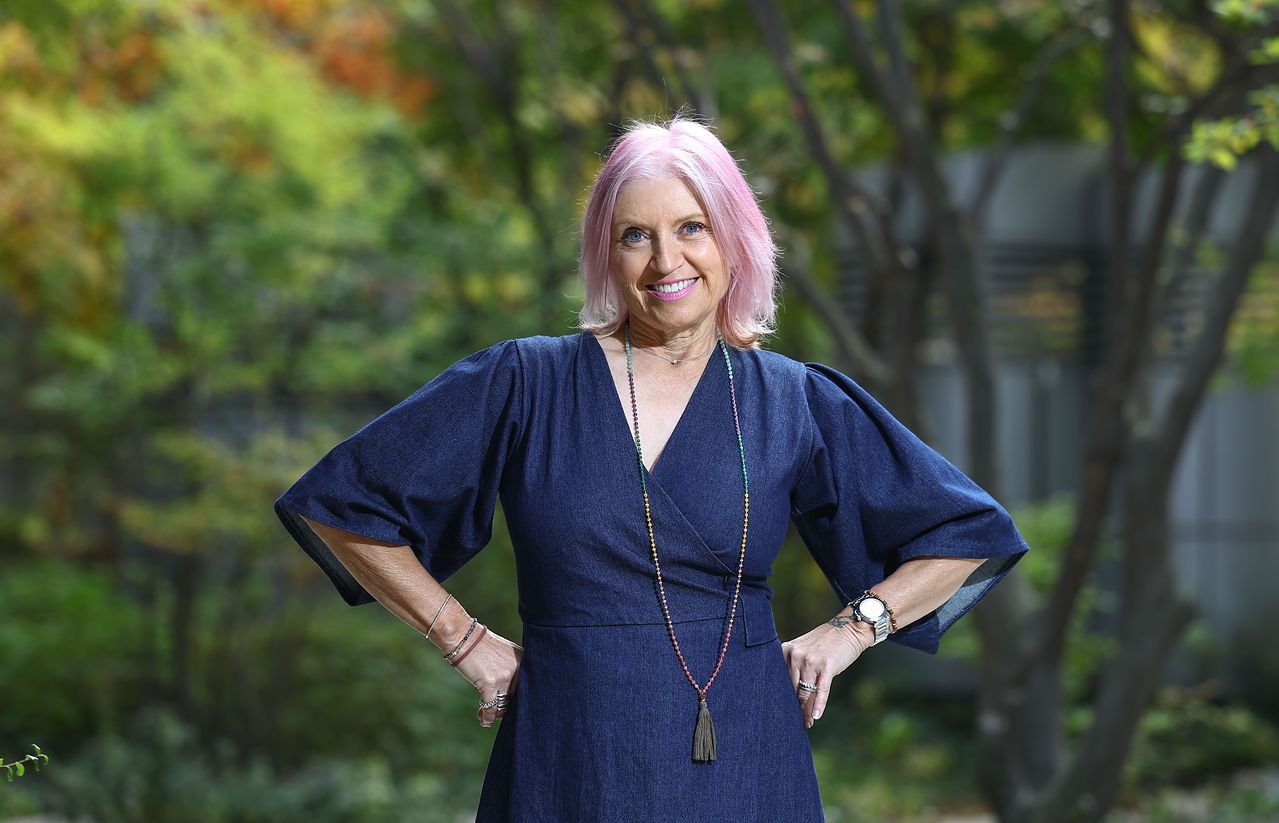
When Lush co-founder Rowena Bird sits down to discuss her 31-year journey, her passion for business remains as vibrant as her signature pink hair. At 67 years old, the British cosmetics entrepreneur has no intention of retiring, driven by a deep-seated love for her work rather than the pursuit of wealth.
The Secret Behind 900 Global Stores
Founded in 1995, Lush became globally renowned for its colorful bath bombs, handmade soaps, and strict ethical stances against animal testing and excessive packaging. Today, the brand operates over 900 stores across 50 countries, with Bird personally overseeing product development and ethical raw material sourcing to ensure the brand stays grounded in its core values.
Prioritizing Conviction Over Profit
Unlike many modern beauty brands, Lush relies on direct trade relationships with farmers and producers worldwide rather than depending on middlemen, ensuring fairer compensation and sustainable practices. Furthermore, the company made the bold decision to completely abandon social media marketing channels, proving that staying true to corporate values can foster deeper customer loyalty than digital advertising alone.