Okdongsik, the Michelin Guide-recognized Korean restaurant behind a reinvented version of Dweji-Gomtang (pork soup), launched a nine-month pop-up in Los Angeles on April 1. Chef Ok Dong-Sik, who first introduced his take on Korean pork soup in Seoul and later found unexpected success in New York, says a permanent LA location is planned for 2026, with additional branches set to open in Hawaii and Paris later this year.
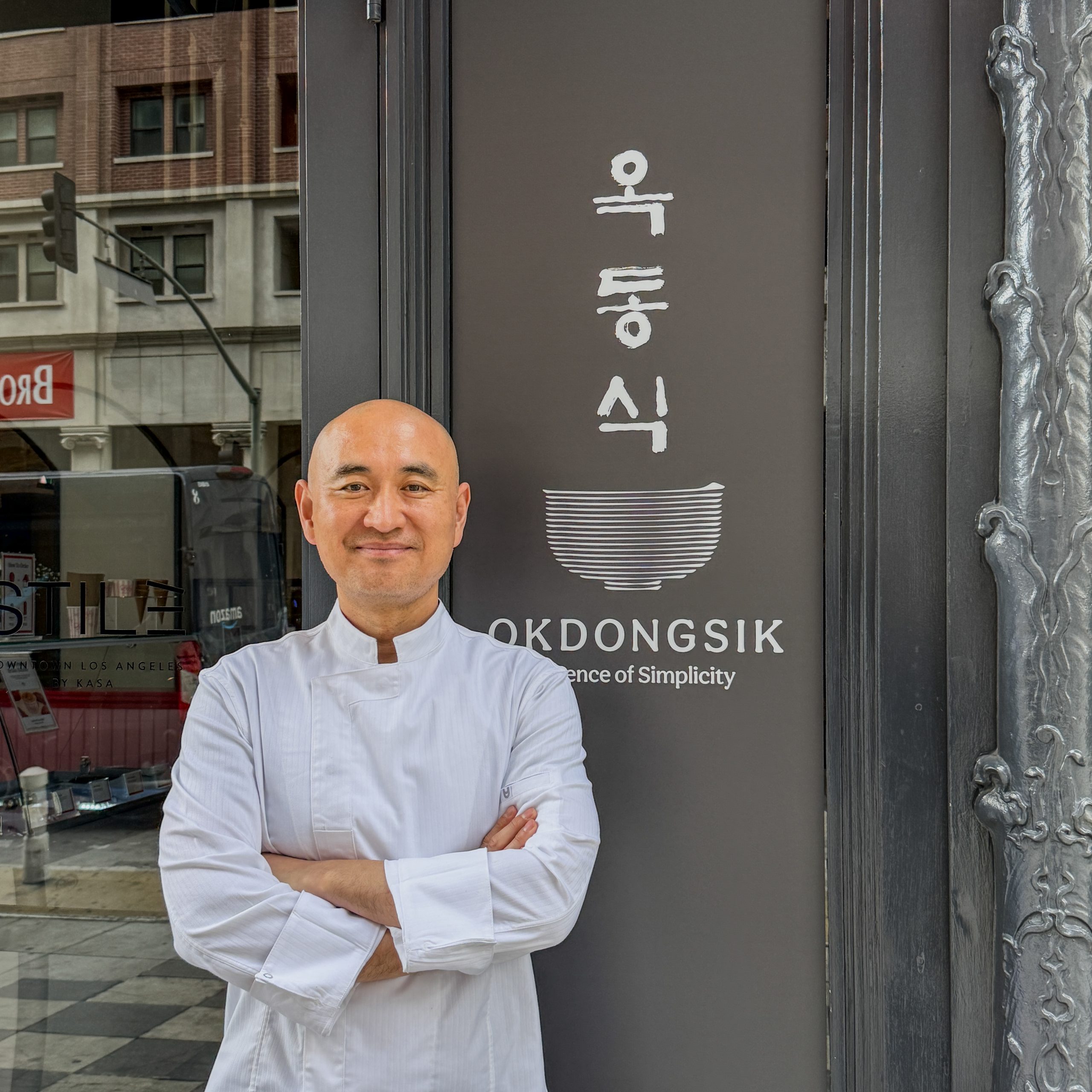
No Bones, Just Flavor: Reinventing Korean Pork Soup
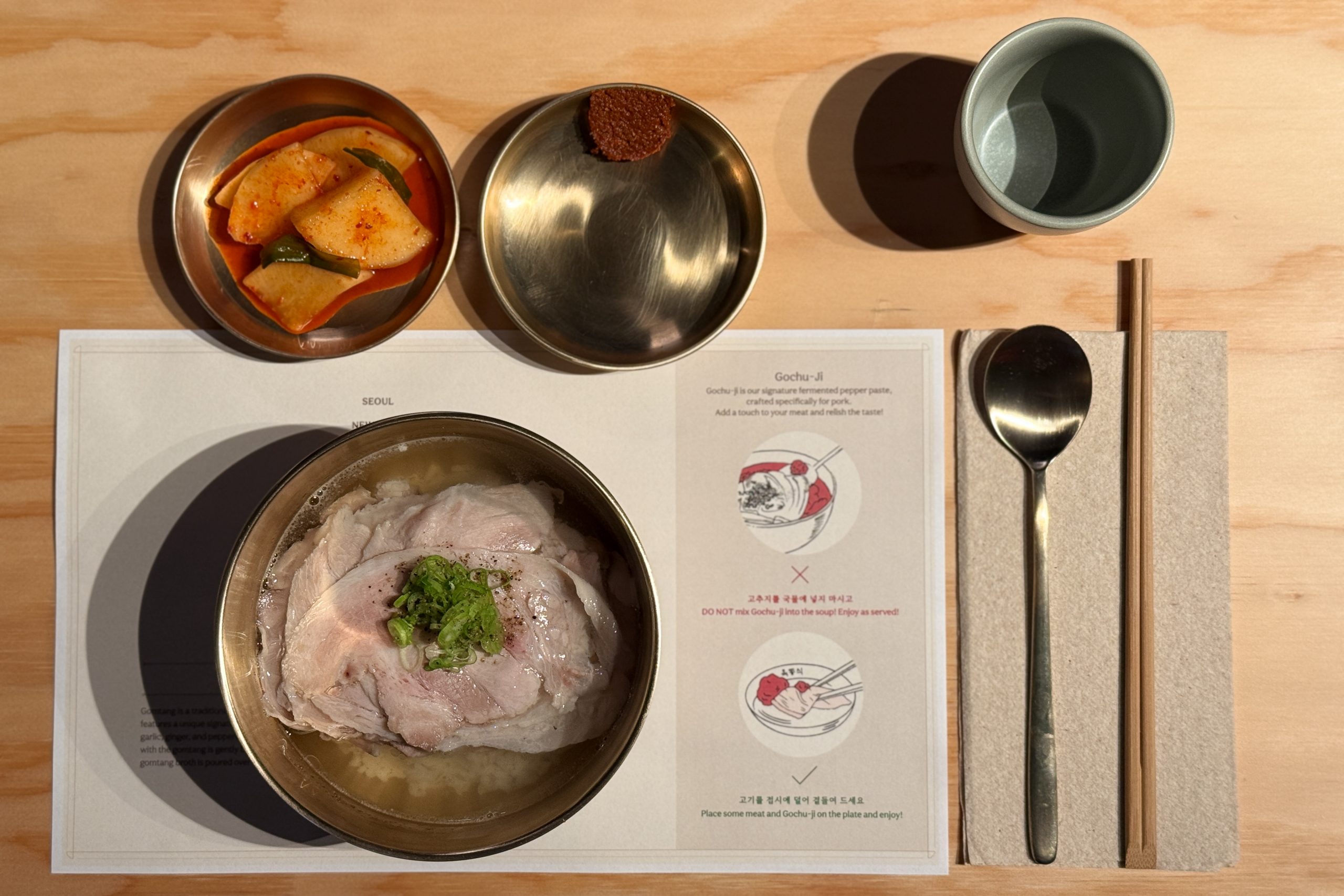
Rather than using pork bones and innards like traditional Dwaeji-Gukbap, Okdongsik developed a clean, savory broth using only Berkshire K-grade pork meat. The idea emerged while he was head chef at a hotel and made pork radish soup for staff meals. Encouraged by the response, he spent five months refining the dish into what is now known as Dweji-Gomtang—a lighter but deeply flavorful alternative.
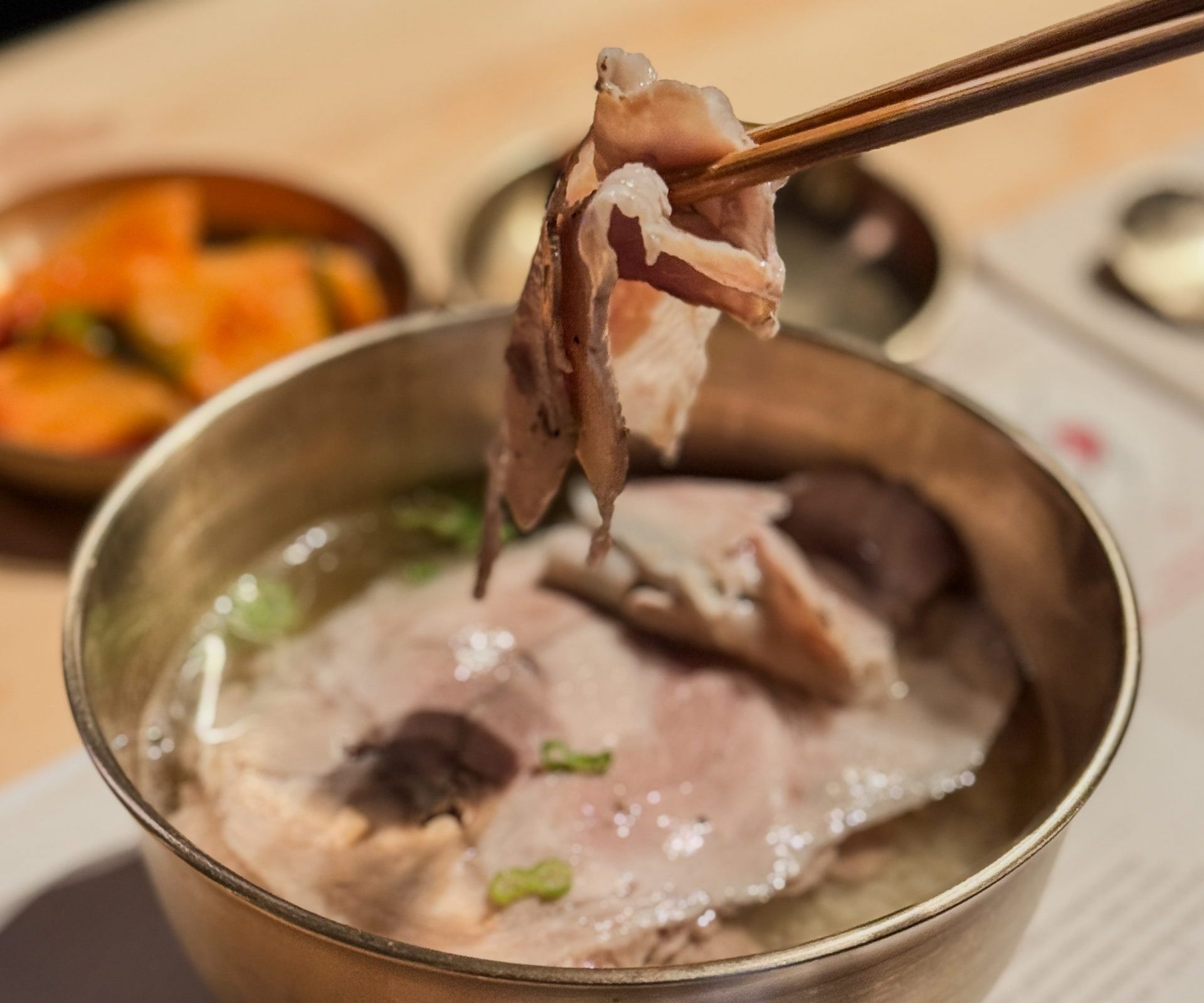
“Guests often say the soup feels ‘soothing,’” said Ok. “It reminded me of how Koreans say ‘sihwonhada(시원하다)’ after eating soup. Different words, but the same feeling.”
Why LA? Testing Waters Before 2026 Launch
The current LA pop-up is hosted at STILE Hotel in Downtown. Instead of a full-scale launch, Ok chose a soft approach to gauge local interest. “We started without any major promotion,” he said. “In Seoul and New York, the response was explosive from the start. In LA, we’re growing steadily through word of mouth.”
He added that the wildfire recovery in the area also influenced his decision to start with a pop-up format. Locations in Buena Park and Irvine are under consideration for the full restaurant opening.
Korean Flavors Without the Gimmicks
Okdongsik doesn’t equate “localization” with changing the flavor of Korean cuisine. Instead, he believes that the most natural way to connect with local palates is by using local ingredients. “Just like there are ingredients that suit Koreans, there are ingredients that fit people living in the U.S.,” he said.
Rather than importing every component from Korea, Ok uses high-quality American-grown pork, rice, and vegetables—reserving imports like chili powder only when necessary. He believes this approach preserves authenticity while making Korean food more accessible.
What Defines Korean Cuisine? Fermentation
Asked what aspect of Korean cuisine he hopes to leave a lasting impression with, Ok didn’t hesitate: “Fermentation and aging. They’re the core of Korean food.” All kimchi and chili pickles served at Okdongsik are fully fermented, preserving the food’s depth and identity. “Korean food is about coexisting with microorganisms. That’s where its soul is.”
A Humble Vision for a Lasting Legacy
Despite global plans, Okdongsik remains grounded. “I just want guests to feel they had a satisfying meal,” he said. His dream is for his Seoul flagship to become a 100-year restaurant, passed down through generations—like Hadongkwan.
Beyond LA, Okdongsik will open in Hawaii in May 2025, followed by Paris in August 2025. “I hope one day, when someone asks what true Korean food is, the name ‘Okdongsik’ just comes to mind,” he said.
Until then, Angelenos have nine months to experience the dish redefining Korean pork soup for the world.
BY KYEONGJUN KIM [kim.kyeongjun1@koreadaily.com]