North Korea has reportedly refused to accept the bodies of its soldiers killed in the Ukraine-Russian war, despite repeated requests from Russian authorities, sources familiar with the matter revealed on February 26. The decision appears to be driven by concerns over potential domestic unrest and dissatisfaction among the North Korean populace.
According to multiple sources, the Russian military has consistently requested the transfer of fallen North Korean soldiers, but Pyongyang has refused. South Korea’s National Intelligence Service (NIS) previously estimated that at least 300 North Korean troops deployed to Ukraine had been killed as of January.
Observers suggest that Kim Jong-un’s regime may have focused primarily on securing benefits from Russia while neglecting key logistical concerns, including the handling of casualties and compensation for the families of the deceased.
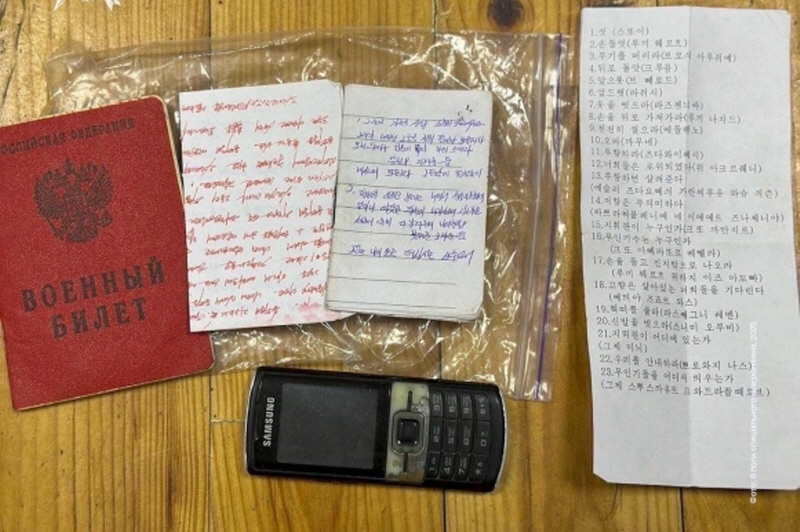
The issue of returning war casualties could spark significant unrest within North Korea. A North Korean prisoner of war (POW) captured by Ukraine recently described how his comrade was ordered to detonate a suicide bomb before being captured, leaving behind an unrecognizable corpse. Reports have also surfaced that North Korean authorities deliberately disfigure the faces of deceased soldiers to prevent identification.
Reports of Pyongyang Exploring “Cryogenic Cremation” Methods
The NIS has reportedly assessed that Pyongyang is issuing certificates of military death to the families of fallen soldiers. However, repatriating bodies in poor condition could lead to heightened public discontent, further exacerbating the regime’s concerns.
A source disclosed that North Korean officials stationed overseas have been investigating cryogenic cremation equipment—technology that rapidly freezes and pulverizes corpses—for potential procurement in Europe. While the exact purpose of this inquiry remains unclear, analysts suggest that North Korea may be considering on-site disposal of war casualties.
The issue of North Korean troops fighting in Ukraine is expected to be addressed in any future postwar negotiations, particularly as President Donald Trump accelerates efforts toward a peace agreement. This could explain Pyongyang’s interest in alternative ways to manage its war casualties.
North Korea Bribes Families of Deployed Soldiers
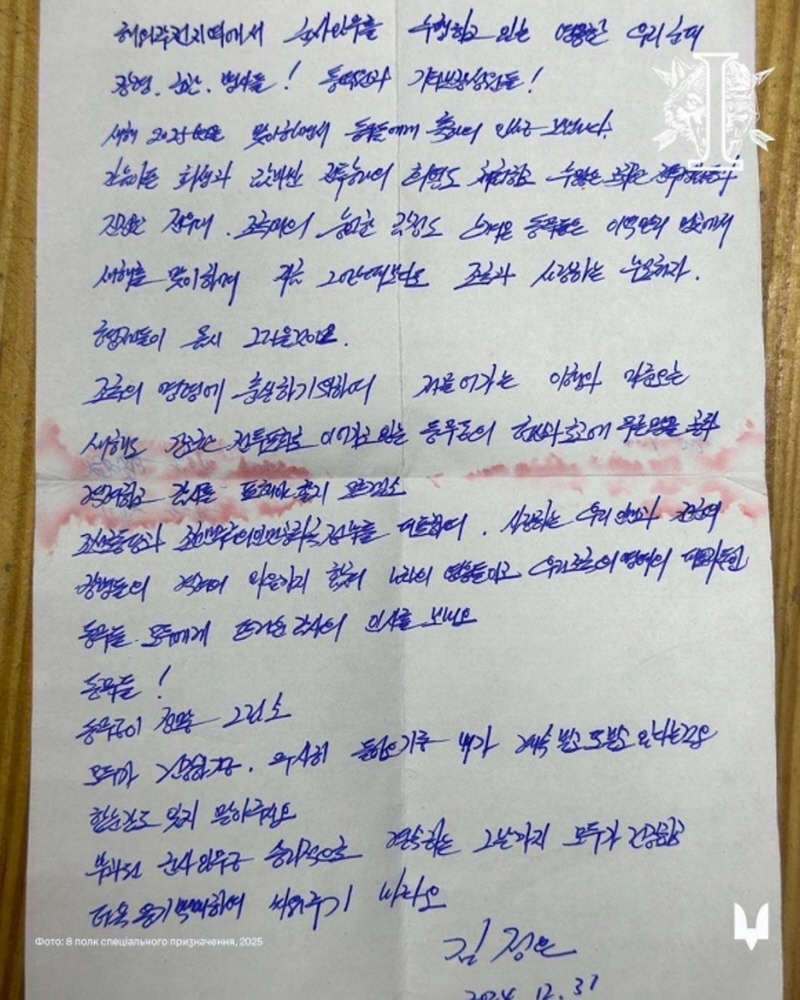
Meanwhile, intelligence reports indicate that the North Korean regime has been providing televisions and food supplies to the families of deployed soldiers—an apparent attempt to pacify potential discontent.
Additionally, the wages for North Korean troops fighting in Ukraine are reportedly far below the standard rate of $2,000 per month for foreign mercenaries hired by the Russian military. According to one source, North Korean authorities are considering withholding soldiers’ wages entirely or compensating them with small sums in North Korean currency. A captured North Korean soldier previously told the media that he was never promised any salary for his deployment.
Deployed Troops Pose a Future Threat to the Regime
Kim Jong-un’s decision to send a second large-scale deployment of troops to Russia was likely intended to secure further military and economic benefits from Moscow. However, analysts warn that the presence of North Korean troops in Ukraine could become a “double-edged sword” for Pyongyang once the war ends.
If surviving North Korean soldiers—who have been effectively treated as “ghost troops” with neither Pyongyang nor Moscow acknowledging their existence—return home with firsthand experience of modern warfare, they could pose an internal threat to the regime’s stability.
A researcher at a state-funded think tank, speaking on condition of anonymity, warned, “Kim Jong-un’s large-scale troop deployments, intended to strengthen his leadership and distinguish his rule from that of his predecessors, could backfire and destabilize the regime. Even if he proceeds with a third, fourth, or fifth wave of deployments, it may ultimately prove to be a self-inflicted disaster.”
BY YEONGGYO CHUNG, YOUNGNAM KIM [kim.youngnam@koreadaily.com]