Special Series (4):
Argentina Still Haunted by Peronism
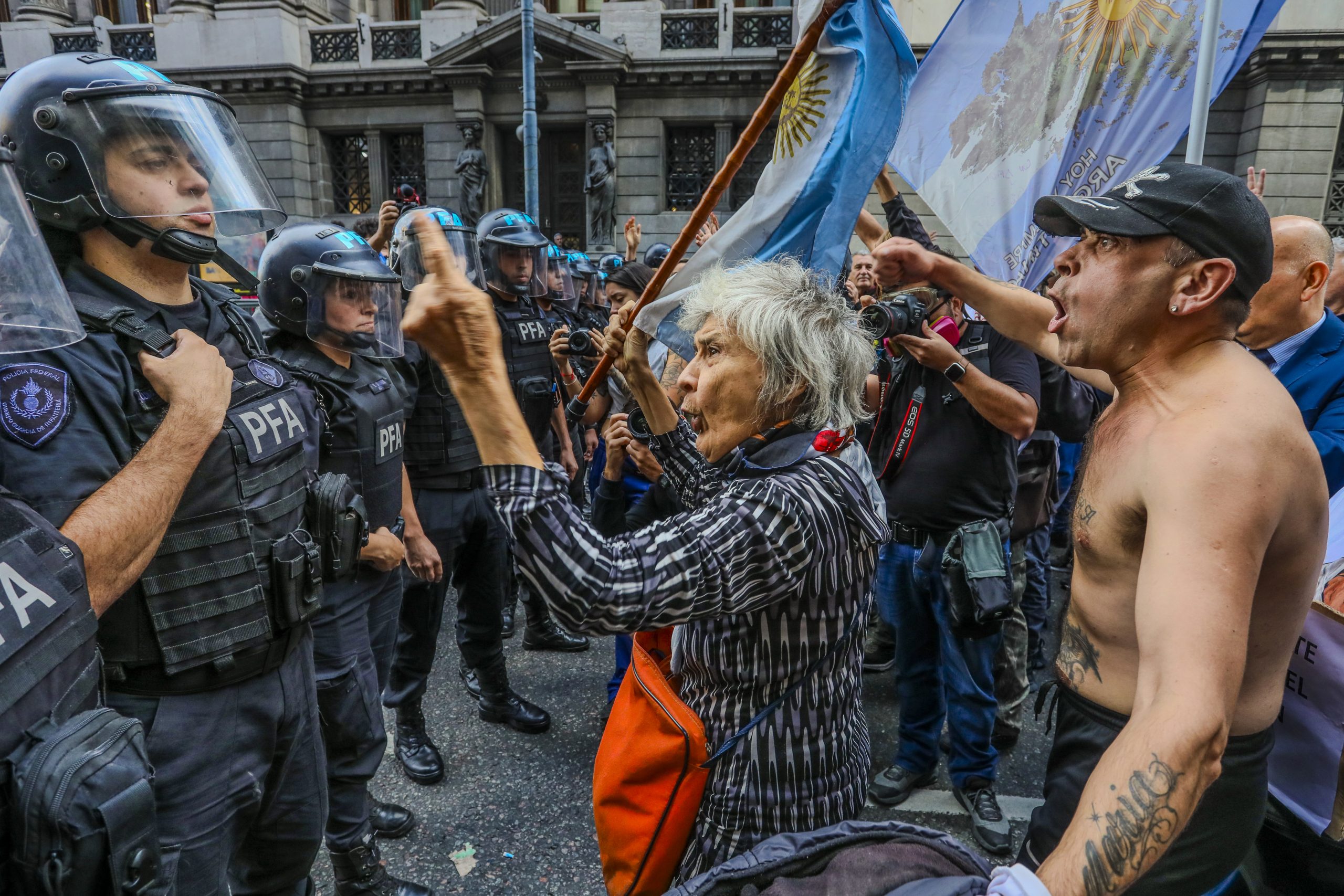
“Are we supposed to just die like this?”
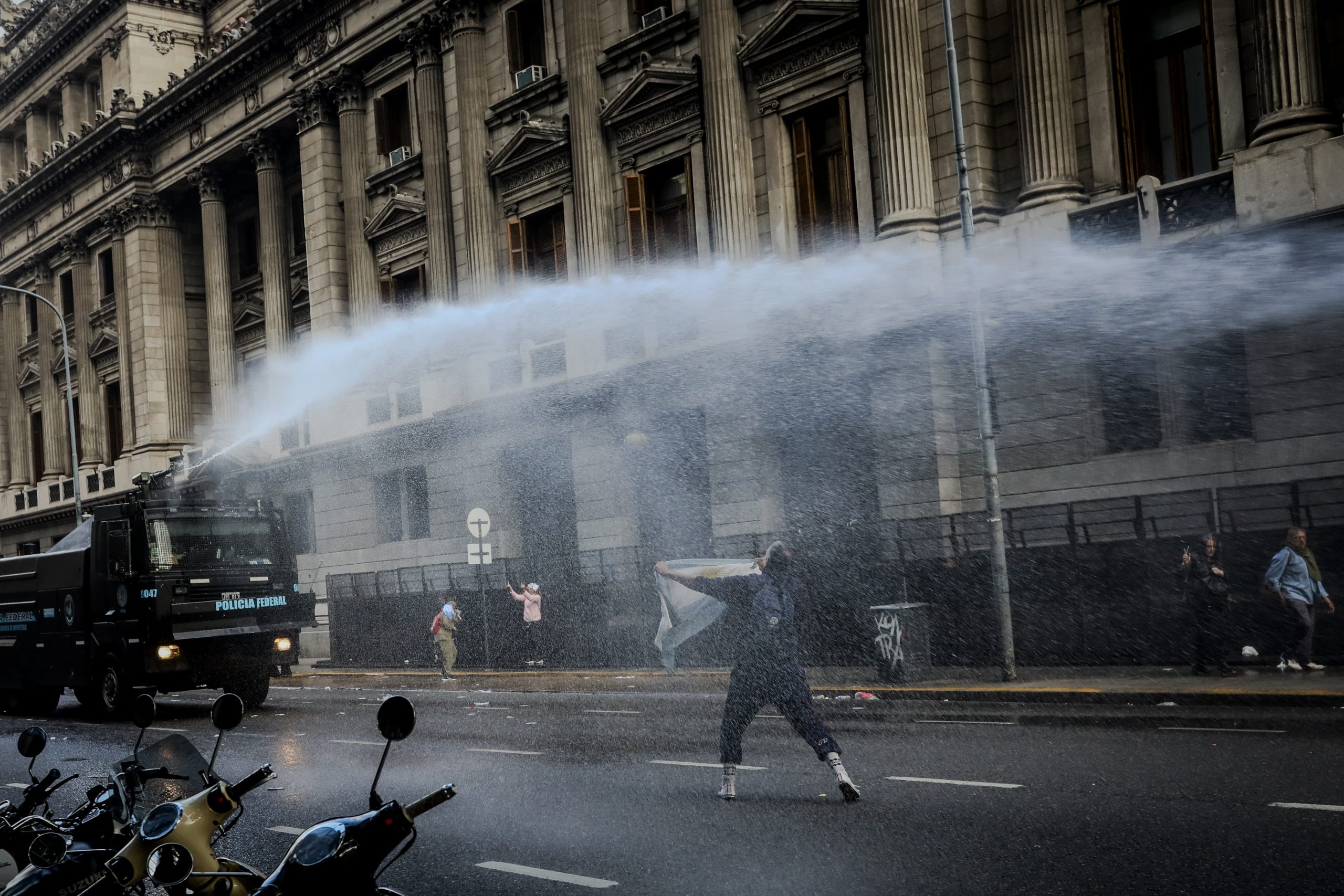
That was the furious cry from the front lines of a protest outside Congress on March 12, 2025. Among the demonstrators was Milagres Herrera (41), who shouted that her mother used to get free medication—until the government “took it away.” The crowd chanted “Libertonto,” or “crazy libertarian,” aimed at President Javier Milei.
Violence in the Streets

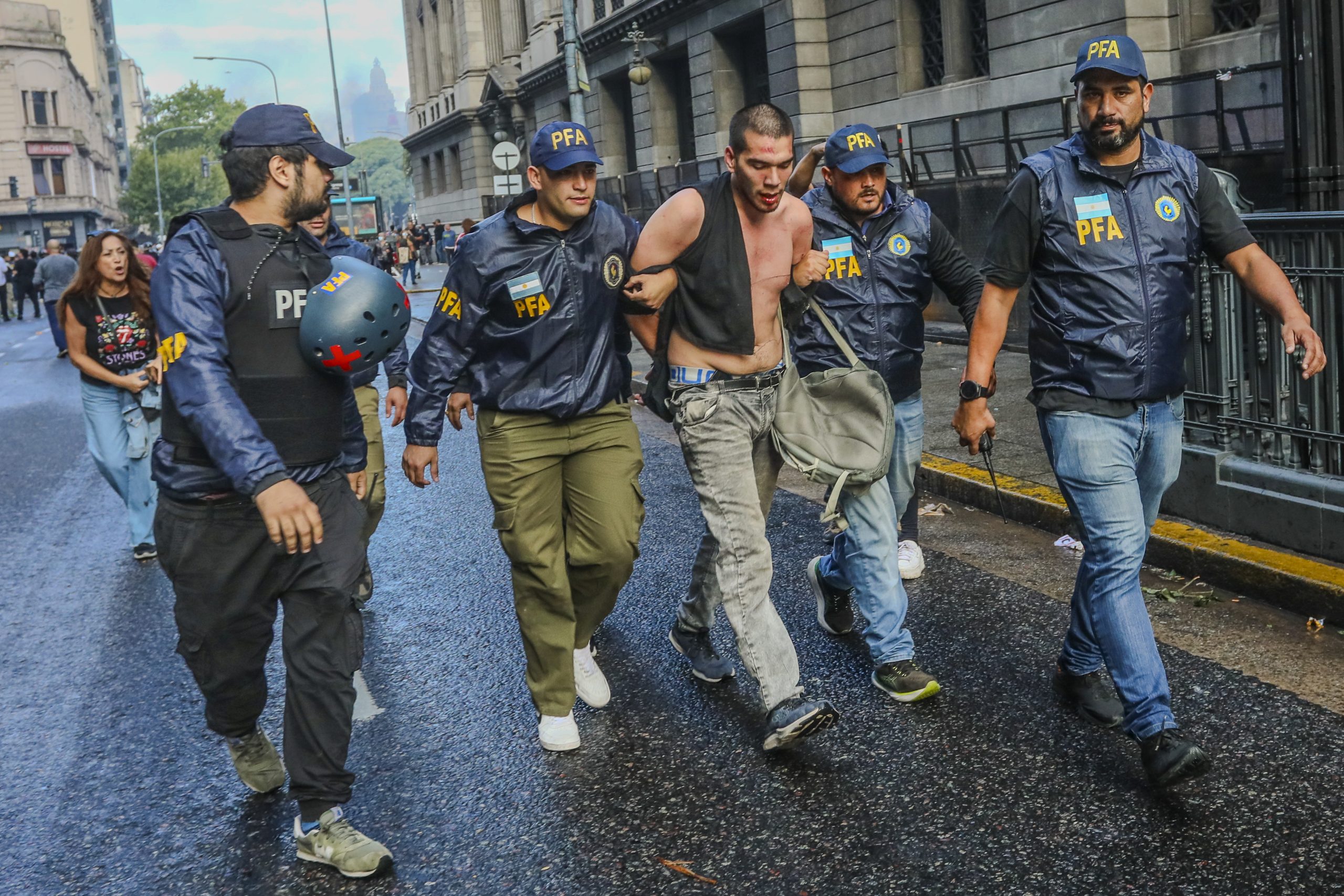
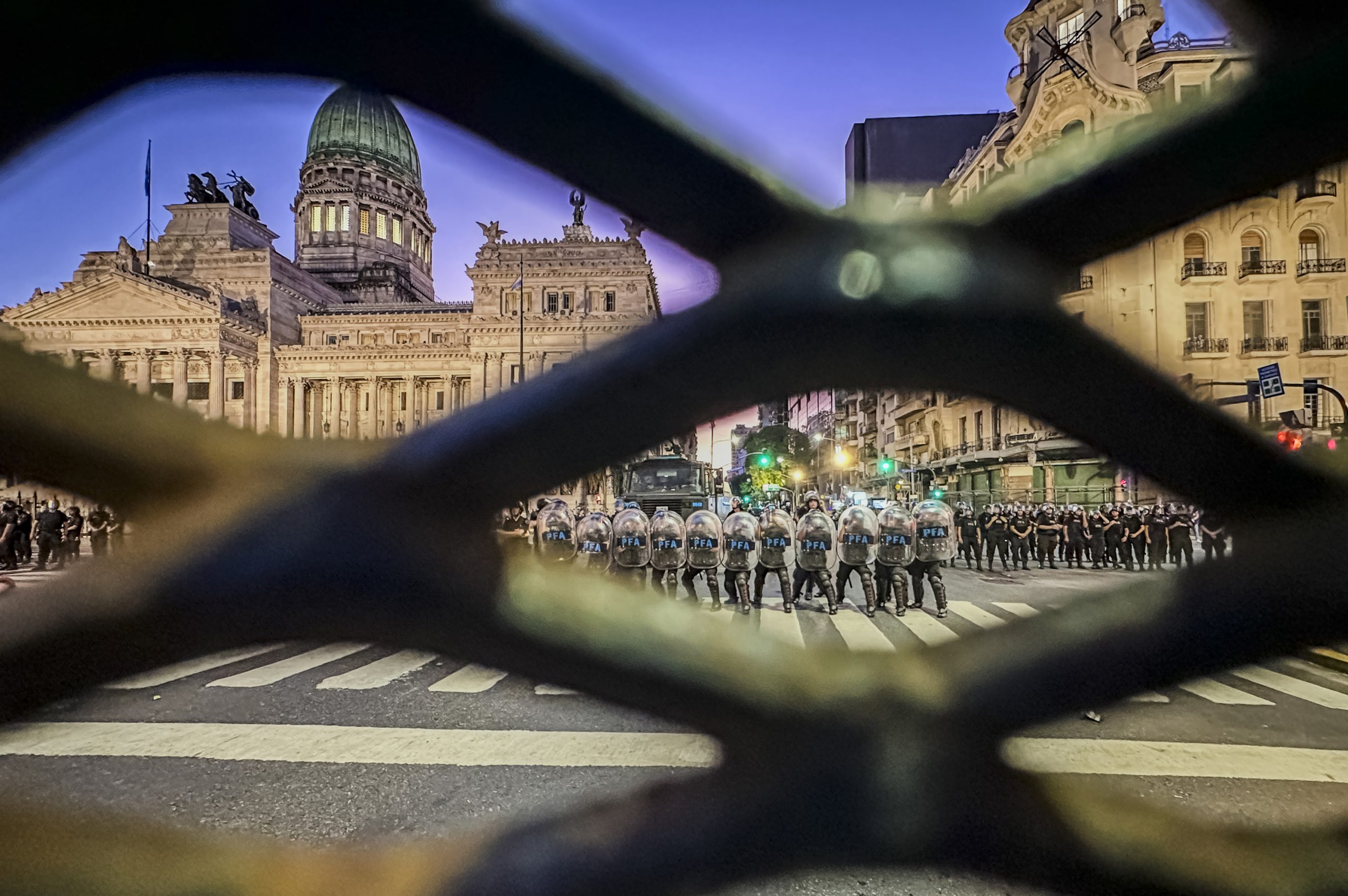
The protests escalated quickly. Hooligans and professional agitators joined in, leading to street fires and clashes. Police responded with tear gas, water cannons, and rubber bullets. Local photojournalist Pablo Grillo was critically injured by a gas canister. Jang Yeol, a reporter for the Korea Daily, was hit three times in the leg with rubber rounds.
Austerity Hits Hardest at the Bottom
According to Chung Yoo-Suk, who has run Mirero Travel for 30 years, “People got used to the handouts under the Peronists. Milei’s trying to stop it—and they’re pushing back.” Some of that nostalgia still lingers. Uber driver Mejía Heriberto explained, “People who want to work support Milei. People who don’t, curse him.”
That backlash is sharpest among the most vulnerable. Every Wednesday, protests erupt across Buenos Aires. But as César Litvin, CEO of accounting firm Lisicki Litvin& Abelovich, puts it, “The people resisting are those who depended on subsidies. They’re few in number, but very loud and often violent. They feel their lives are being stolen.”
Universities Feel the Freeze
Austerity isn’t only visible in the streets. It’s also hitting classrooms. The Education Ministry was dismantled, and university subsidies were cut. At UNPAZ, a national university about 30 miles northwest of the capital, construction of a new campus stopped midway due to funding cuts. A sports facility meant for students and locals now sits unfinished behind metal fencing.
“This government has abandoned higher education,” said UNPAZ rector Dario Kusinsky. “Research and infrastructure have stopped. There’s no support for what matters most—innovation.” In the lobby, walls are covered in Peronist and leftist posters. Most students here are the first in their families to attend college. One of them, Candelaria (23), said, “No government ever really cared about people like us. But Milei is especially cruel.”
Business Cheers Reform—But Not Everything
Business leaders largely support deregulation. But some are upset that tariffs were cut before corporate taxes, allowing imports to surge and threatening local firms. Martin Rapallini, head of the Argentine Industrial Union (UIA), said, “Milei says compete freely, but local companies are running with sandbags tied to their legs.”
“We’re not afraid of competition,” he added. “We just want a level playing field.”
Peso Strength Masks a New Risk
Milei’s austerity measures, backed by the IMF, have stabilized the peso—but also created side effects. Exports are weakening, imports are rising, and credit card spending abroad hit $645 million in January 2025, a seven-year high. In March 2025, the current account deficit ballooned to $1.674 billion, the highest since Milei took office.
Despite this, markets remain confident. The IMF’s support and government intervention are keeping the peso strong. Whether that strength holds or cracks remains to be seen.
Reform Critics Warn of Structural Damage
Some analysts say recent macroeconomic gains may be short-lived. Eduardo Hecker, former president of Banco Nación, Argentina’s state development bank, called them superficial. “True competitiveness comes from productivity—not shock therapy.”
Matías Kulfas, Industry Minister from 2019 to 2022, said deep cuts to infrastructure and R&D are dangerous. “Roads are aging rapidly. I nearly crashed into a pothole on vacation in Bariloche,” he said. Energy subsidy cuts, he warned, could erode household purchasing power and slow growth.
Leandro Mora Alfonsín, who served as National Director of Industrial Policy during Kulfas’s term, added that extreme policies are intensifying social conflict. “This government will hit a wall when everyday living conditions start to break down,” he said.
Evita’s Shadow Still Looms
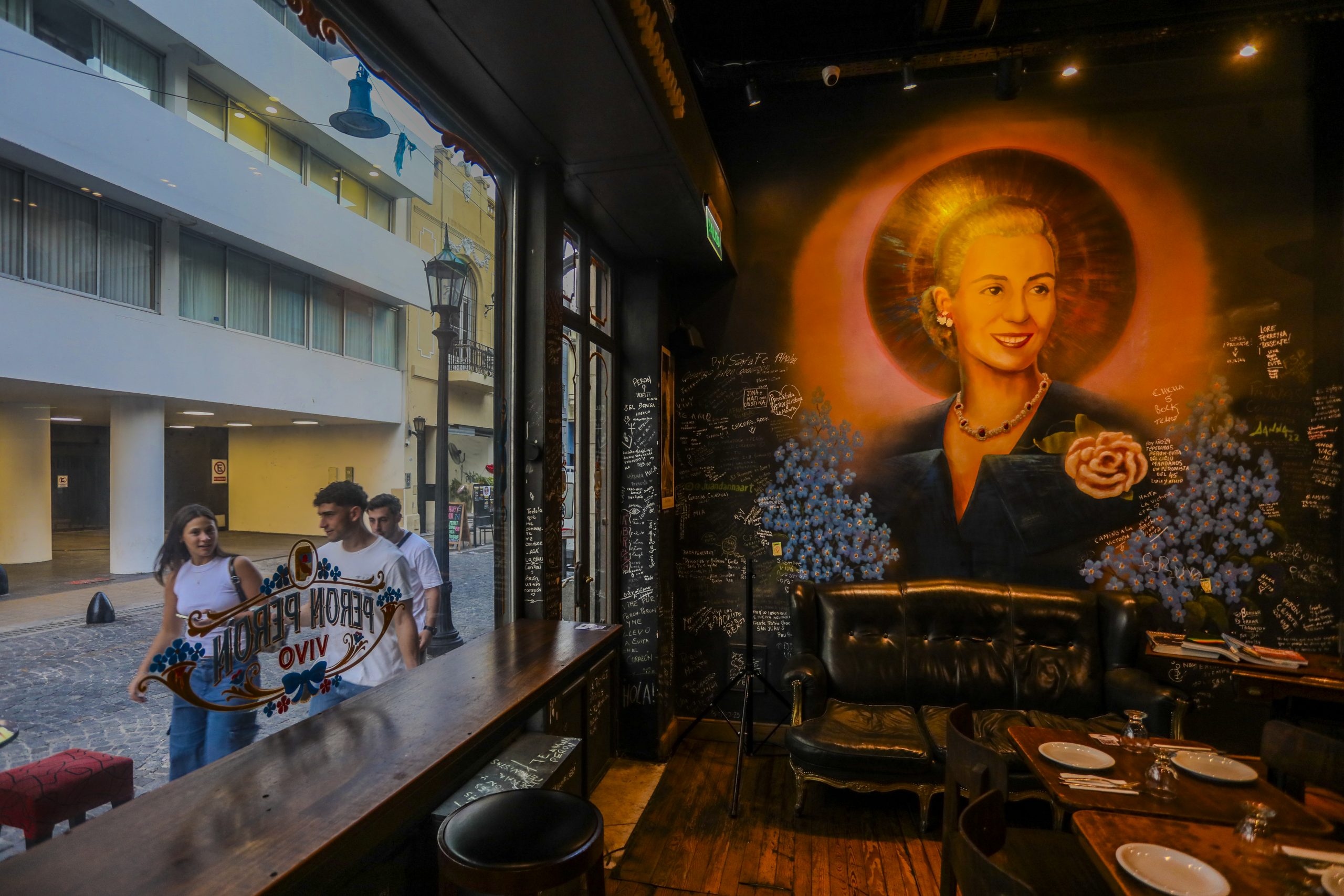
Argentina faces a cultural obstacle few other nations do: the enduring myth of Eva Perón. For many, Evita symbolizes the ideal of a government that provides. Her charisma and generosity during the 1940s and 1950s made her a saint-like figure. Her version of social welfare laid the groundwork for the country’s populist legacy.
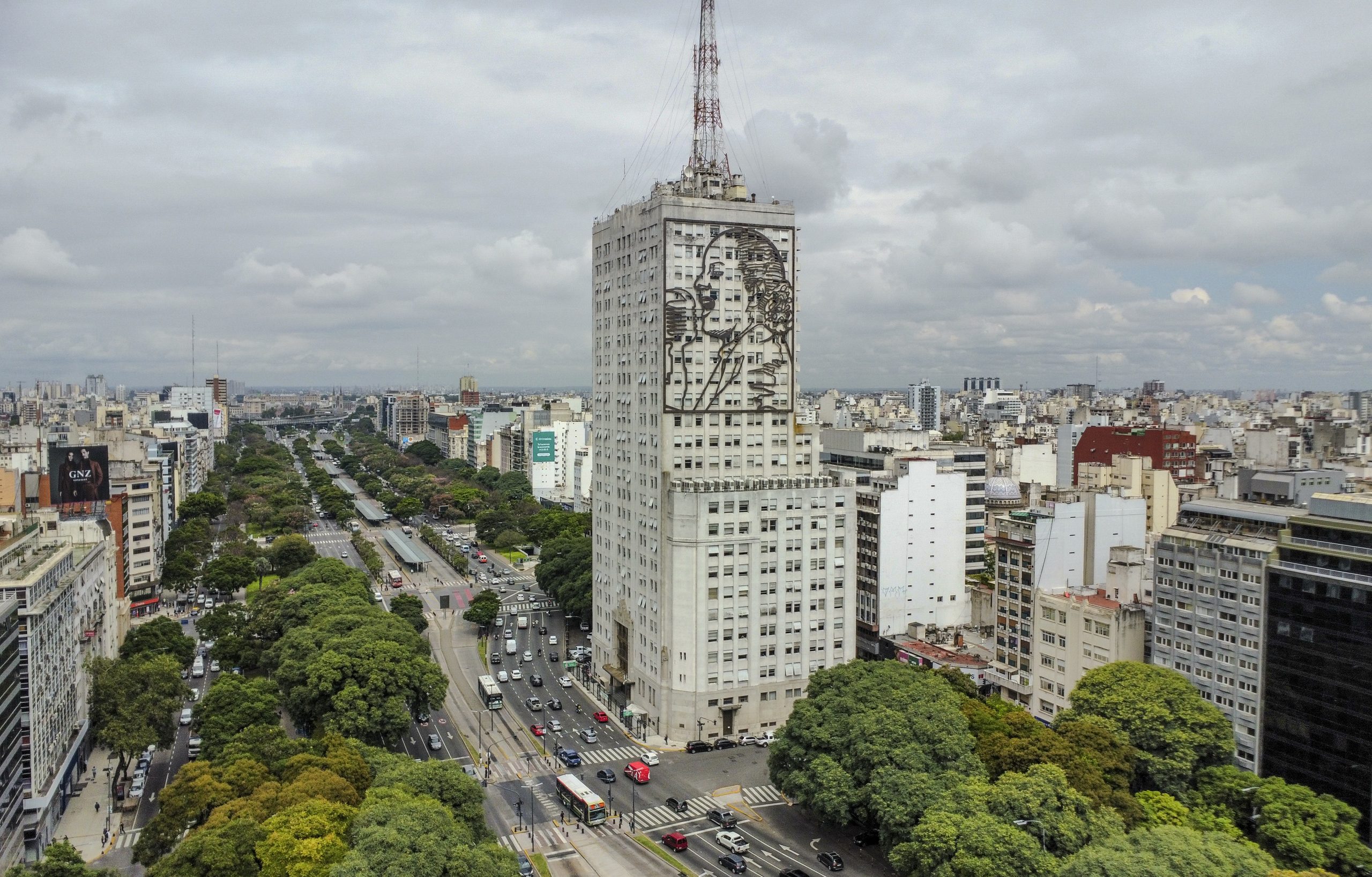
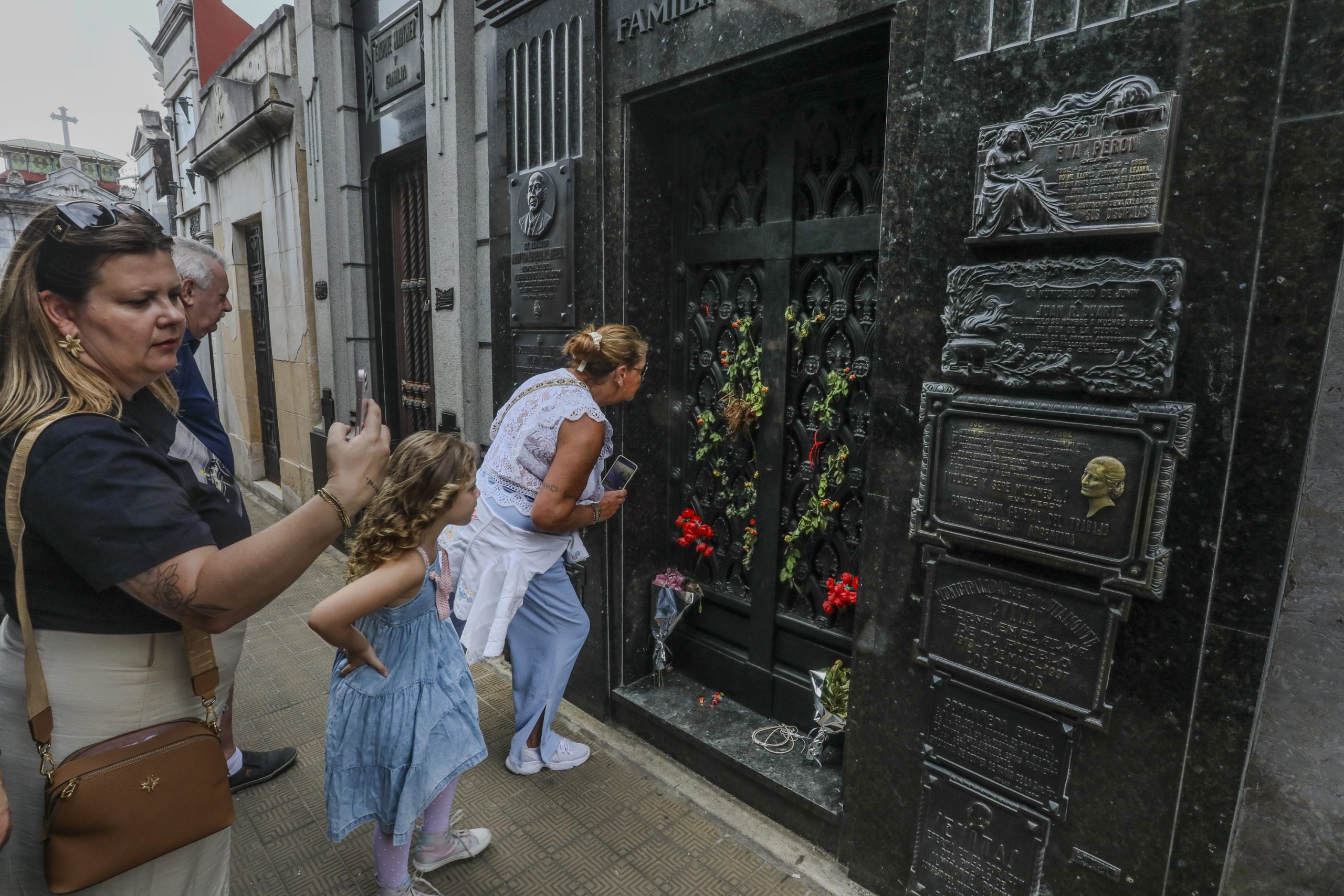
That legacy still dominates the streets. Her grave at Recoleta Cemetery draws flowers every day. The Health Ministry building in central Buenos Aires still bears a towering 102-ft steel portrait of her. Inside Congress, a special meeting room honors her with portraits and relics. Cafés, bars, and university walls feature murals of Evita and her husband Juan Perón.
Taxi driver Daniel Eduardo (61) quipped, “Take a picture before Milei tears it down.” The administration has discussed demolishing the old Health Ministry building as part of a campaign to erase Peronist symbols.
Argentina’s Test: Can Reform Hold?
The musical Evita once celebrated her with the ballad Don’t Cry for Me, Argentina. But today, the country doesn’t have time to cry. The road away from Peronism is rocky, steep, and uncertain. Whether Argentina can follow it all the way to the end—regardless of who’s president—remains the country’s most pressing question.
🔎 Special Series: The Rise and Fall of Argentina’s Economy
- Part 1: How Argentina Was Saved by ‘Chainsaw Reform’
- Part 2: The Fall of a Developed Nation a Century Ago
- Part 3: Who the Hell Is Milei?
- Part 4: Argentina Still Haunted by Peronism
- Part 5: [Coming Soon]
BY YOONHO NAHM [yhnam@koreadaily.com]
AND YEOL JANG [jang.yeol@koreadaily.com]