Fiona Ma, California’s State Treasurer, has declared her candidacy for lieutenant governor in the upcoming 2026 midterm elections. As the daughter of immigrants and a long-time public servant, Ma says her campaign is centered on expanding support for small businesses, strengthening the state’s economic development strategy, and using her financial expertise to navigate the state’s mounting budget challenges.
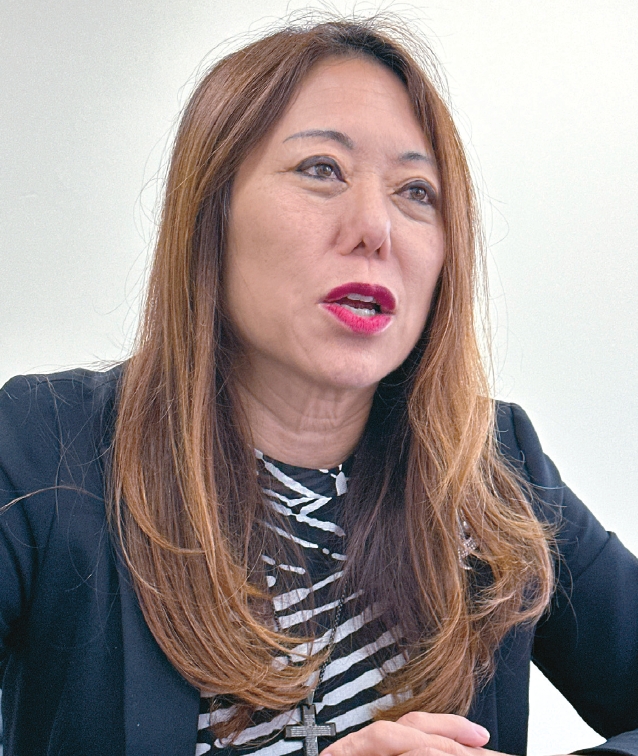
In a wide-ranging interview, Ma discussed her motivations, policy priorities, and message to California’s Korean American community.
Why are you running for lieutenant governor?
Fiona Ma: “I started as a certified public accountant and became president of the Asian Business Association at age 28. That’s when I first stepped into public life, working with local politicians to support women and small business owners. As an elected official, I’ve done work I’m proud of, but there were limits. The lieutenant governor also chairs the Commission for Economic Development, which gives me a platform to lead on small business support and economic growth—things I’ve been working on for decades.”
What sets you apart from other candidates?
Ma: “There are four candidates in the race, but I’m the only one with statewide experience. I’ve managed California’s finances as State Treasurer, and I understand the budget and fiscal operations better than any other candidate.”
How would you describe California’s current financial situation?
Ma: “We’re facing a projected $12 billion budget deficit in the 2025–2026 fiscal year, and the shortfall is expected to continue for at least two more years. Our revenue depends heavily on property, income, and sales taxes, but with high-income residents and businesses leaving the state, that revenue base is shrinking.”
Which cities are under the most financial pressure?
Ma: “Los Angeles is particularly strained. In early 2025, wildfires struck with great force. If people don’t rebuild and return, property tax revenue will drop. Additionally, Hollywood’s film and entertainment output has declined significantly, which negatively impacts the city’s economy.”
Should the state cut more spending or adopt austerity measures?
Ma: “Governor Gavin Newsom is already cutting lower-priority programs, like healthcare for undocumented residents. But that’s not a long-term solution. We need to raise revenue by creating more high-paying jobs and attracting investment in future-focused sectors, like logistics, battery technology, and artificial intelligence.”
What’s your view on support for undocumented residents?
Ma: “These policies come from a place of compassion, but in a fiscal crisis, priorities must shift. When budgets are tight, programs at the bottom of the priority list—like expanded healthcare for undocumented individuals—may need to be paused. That’s why the governor recently halted that coverage.”
There’s criticism that homelessness programs aren’t working. Do you agree?
Ma: “Yes. The system is inefficient. State funds pass through counties before reaching cities, and too much gets lost to fees and paperwork. A better approach would be for the state to fund frontline service organizations directly—after vetting their past results. That would be more efficient and effective.”
How can the middle class get relief from financial strain?
Ma: “The key is homeownership. That’s how families build wealth. The state should expand down payment assistance programs like those we ran during the pandemic. Buyers get help upfront and repay later. This gives middle-class families a real shot at stability.”
Do California’s business regulations need to be loosened?
Ma: “As industries change, our regulations must evolve too. That starts with listening to industry stakeholders, understanding what they’re experiencing on the ground, and making policy changes accordingly. I do that now as treasurer, and I’ll keep doing it as lieutenant governor.”
There’s concern that the Olympics and World Cup could cause long-term deficits. What’s your plan?
Ma: “These events require new stadiums and facilities, but they shouldn’t become useless afterward. We should convert them into affordable housing or commercial properties. Also, let’s secure investment from participating nations to help fund these events. That money can support their businesses and research institutions in Los Angeles. For example, Italy opened INNOVIT, a startup hub in San Francisco. Korea’s National Pension Service did something similar by opening an overseas office there in 2024 to strengthen its North American investments.”
What’s the status of the high-speed rail between LA and San Francisco?
Ma: “Honestly, I don’t know when it will be finished. It’s been talked about for years. But if a private company like Brightline West, which is running the Rancho Cucamonga–Las Vegas project, were involved, the LA–SF line might move faster.”
What message do you have for the Korean American community?
Ma: “I truly love Korean culture. I always make time to watch K-dramas—Crash Landing on You is my favorite. California is home to the largest Korean American community in the world, and I’m deeply grateful for that. As an immigrant’s daughter, I understand the sacrifices and challenges that Korean Americans have faced. You represent the American Dream at its best, and you’re a model for other immigrant communities. With immigration crackdowns causing anxiety, I hope the Korean American community stays united and grows stronger.”
BY KYEONGJUN KIM [kim.kyeongjun1@koreadaily.com]