Uncle Sam Wants to Give Your Kid $1,000: The New Trump Account Savings Launch This July 4th
Forget the usual fireworks and hot dogs—this Independence Day brings a completely different kind of boom. Starting Saturday, July 4, 2026, Americans can officially start contributing to the highly anticipated Trump Account Savings program.
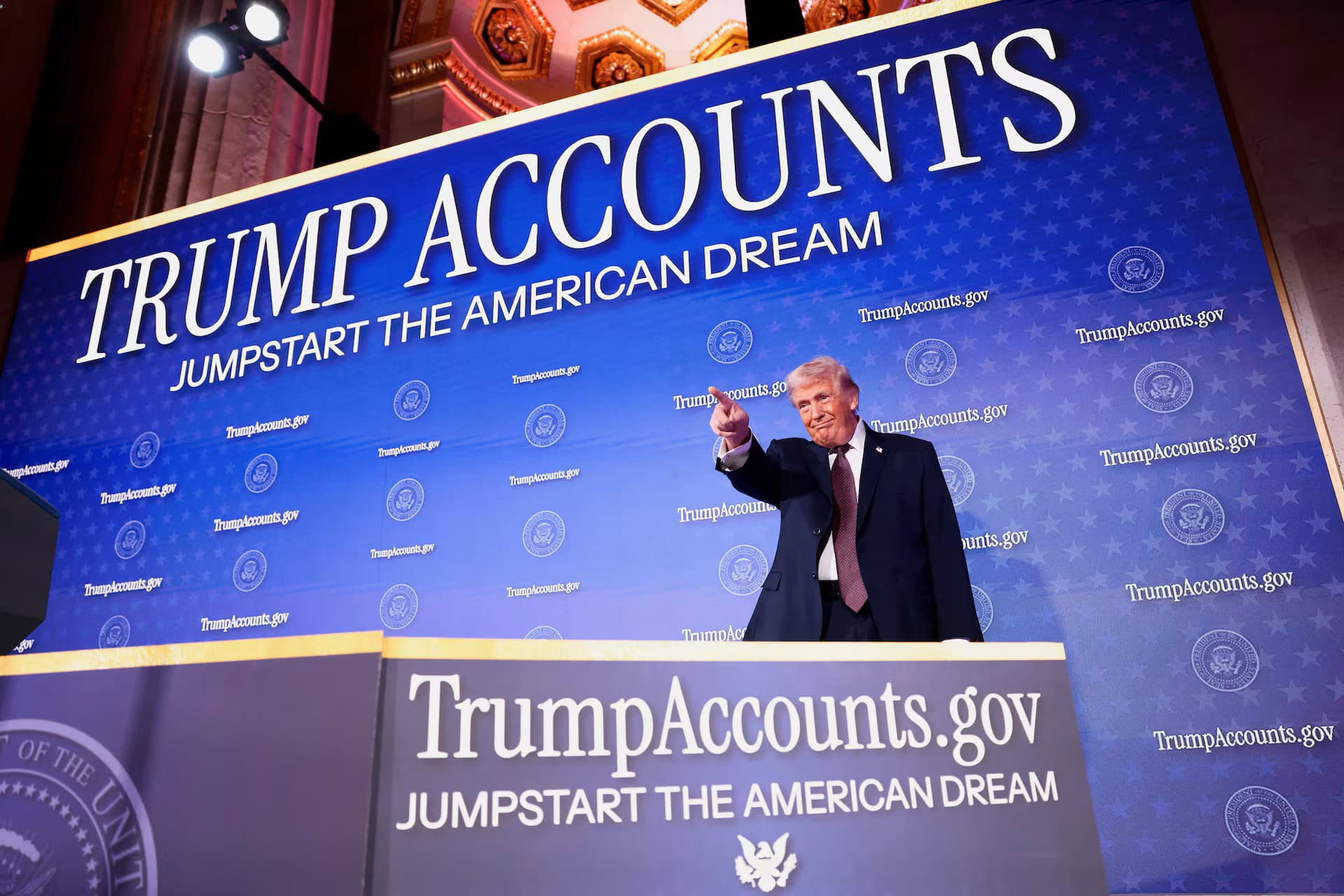
Also known officially as a 530A account, this new tax-deferred investment vehicle is designed to give minors a massive head start on their long-term wealth. And the biggest firework of all? If your child was born between January 1, 2025, and December 31, 2028, the Treasury Department will automatically drop a $1,000 seed contribution straight into their account to be invested in the stock market.
Created under last year’s One Big Beautiful Bill Act, over six million eager parents have already signed up. Here is the breakdown of how it works, how to get your piece of the pie, and what the catch is.
How the 530A Account Actually Works
Think of the Trump Account Savings plan as a retirement account, but for minors. During the “growth period”—the years between when you open the account and when your child turns 18—the money must be invested in index-tracking mutual funds or exchange-traded funds (ETFs) like the S&P 500, with fee structures higher than 0.1%. Once they hit adulthood, it seamlessly shifts to function like a traditional IRA.
Initially administered by Bank of New York Mellon in a trendy partnership with online brokerage giant Robinhood, parents can easily manage the funds via the official app or at trumpaccount.com.
The Rules of the Game: Contribution Limits & Big Tech Matching
Before you try to dump your entire life savings into your toddler’s name, there are strict caps you need to know about:
-
The $5,000 Annual Limit: Private individuals (parents, grandparents, etc.) can deposit up to $5,000 per child per year.
-
The Employer Cap: Corporate employers can chip in up to $2,500 annually, which counts toward that overall $5,000 limit.
Corporate America is already jumping on the bandwagon. Tech giants and financial heavyweights like Dell Technologies, Bank of America, JPMorgan Chase, and Micron Technology have already pledged to match the government’s $1,000 seed money for their employees’ children. Even billionaires Michael and Susan Dell are stepping in, pledging a $250 bonus to 25 million American children under 10 who were born before 2025 and missed the initial government cutoff.
The Fine Print: When Can the Kids Actually Spend It?
Don’t worry, your teenager won’t be able to blow their entire portfolio on a brand-new sports car the second they turn 16. Money is strictly locked up until age 18.
Once they reach adulthood, they can withdraw funds completely penalty-free for qualified life milestones, such as:
-
Paying for college or higher education
-
Putting a down payment on a first home
-
Funding and launching a startup business
The Penalty Warning: If your child decides to raid their Trump Account Savings before the age of 59.5 for an unqualified reason, they will face a harsh 10% early withdrawal penalty—exactly like a traditional adult IRA.
Furthermore, keep in mind that your contributions are not tax-deductible today. The tax perks are entirely delayed, meaning the financial reward is enjoyed entirely down the road by your child when they cash out. Financial policy experts note that while existing vehicles like 529 college savings plans might offer better immediate tax breaks, the free $1,000 government seed money makes the 530A account incredibly hard to pass up.
How to Claim Your Child’s Account
If you haven’t jumped on the waiting list yet, you can still sign up your child. As long as they are under 18 and possess a valid Social Security number, parents and legal guardians can claim their fund by downloading, filling out, and submitting IRS Form 4547.
Happy investing, and happy 4th of July!