
Georgia Hyundai ICE Raid: One Year Later
The Georgia Hyundai ICE raid that led to the arrests of 317 South Korean nationals at a Hyundai Motor Group-LG Energy Solution battery plant construction site marked its first anniversary on Sept. 4.
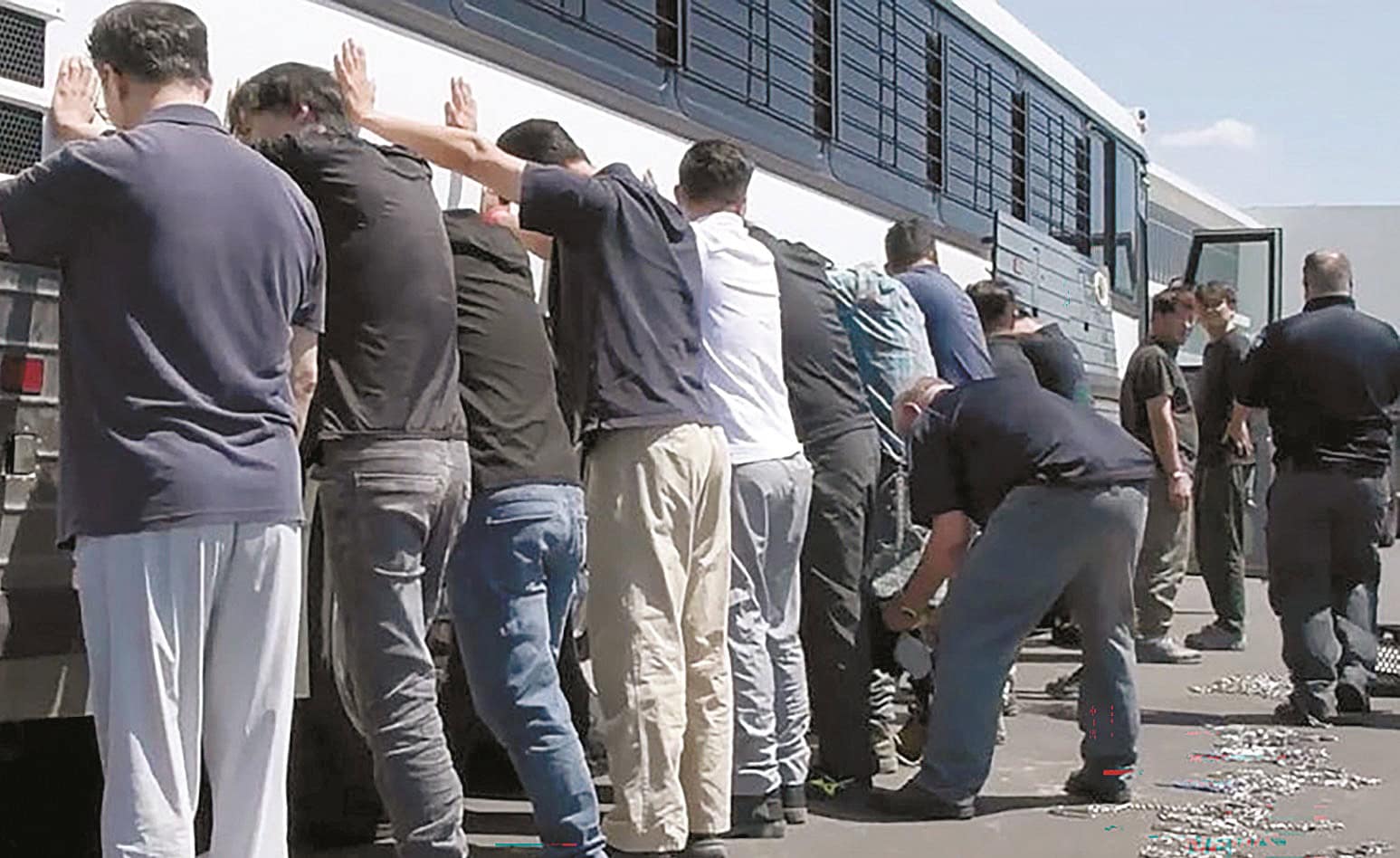
The shockwaves from the massive immigration enforcement operation are still being felt. Korean companies have reduced the number of workers dispatched from South Korea and expanded local hiring, but many continue to struggle with shortages of skilled workers. No dedicated visa has been created for short-term technical personnel, while Korean-owned businesses in the Savannah area have yet to fully recover from the economic fallout.
On Sept. 4, 2025, a federal task force led by Homeland Security Investigations raided the battery plant construction site in Bryan County, Georgia. Of the 475 people arrested, 317 were South Korean nationals. It was the largest single-site immigration enforcement operation in HSI history.
Although construction activity has resumed, the consequences have spread well beyond the plant.
Georgia Hyundai ICE Raid Leaves Lasting Economic Impact
According to immigrant rights group MESE, the raid caused an estimated $2.4 million in economic losses in a single day and contributed to an exodus of skilled workers. Sales at some local small businesses also fell by double-digit percentages.
Eunjung Hwang, owner of Hanmi Market near the plant, said businesses throughout the area struggled after the raid.
“The entire business community around here went through an extremely difficult period after the incident,” Hwang said. “Things have improved since this summer, but we are still only at about 50% of where we were before the raid.”
The incident also changed how Korean companies manage their U.S. workforce. Companies have become more cautious about sending employees from South Korea and using short-term visa programs, while many have stepped up efforts to hire locally.
Still, manufacturers often need technicians from South Korea with specialized expertise that can be difficult to find in the local labor market.
A Korean manufacturing industry worker in Georgia, identified only by his surname Kim, said companies are sending fewer employees from Korea than before.
“Because manufacturing involves frequent short-term business trips, it is realistically difficult to operate without using ESTA and B-1 business visas at all,” Kim said.
Another industry official, identified by the surname Park, said many companies have tried to increase local hiring since the raid but continue to face difficulties finding workers with the necessary technical skills and experience.
“Both companies and workers have become more cautious, while the labor shortage continues,” Park said.
Visa System Remains Largely Unchanged
Corporate practices have changed, but the underlying visa system has not.
The United States and South Korea launched a bilateral working group after the raid, but discussions have largely focused on clarifying the permissible uses of B-1 visas and the Electronic System for Travel Authorization, or ESTA. A separate visa category for short-term technical workers, which Korean businesses have called for, has not been established.
Companies can use E-2 employee visas or L-1 intracompany transferee visas in certain circumstances, but the time and cost involved in preparing and processing those visas can make them impractical for technicians needed on short-term assignments.
B-1 visas and ESTA may permit activities such as business meetings, training and, under certain conditions, servicing equipment. They do not authorize ordinary employment in the United States.
That distinction can be difficult to apply in modern manufacturing plants, where equipment installation, employee training, inspections and trial production often overlap.
Attorney Brian said Korean manufacturers frequently need technicians with expertise that is difficult to find locally.
“Many specialized technicians come to the United States for short periods to install equipment or train employees,” he said. “There is a mismatch between the way modern manufacturing operates and the current immigration system.”
Calls Grow for a Specialized Worker Visa
Suppliers and smaller companies face similar challenges because they often need to send Korean technicians to the United States during equipment installation and technology-transfer projects.
Attorney Oh pointed to specialized visa programs available to citizens of several other U.S. partner countries.
“Canada and Mexico have the TN visa, while Australia has the E-3 visa,” Oh said. “As Korean companies expand their manufacturing investments in the United States, there is a need for a specialized visa that reflects the realities of short-term technical work at manufacturing sites.”
One year after the raid, the factory has moved forward, but the broader issues exposed by the enforcement action remain unresolved. Korean companies are hiring more workers locally and exercising greater caution when dispatching employees from abroad, yet shortages of specialized labor persist.
For businesses operating at the intersection of South Korean investment and U.S. manufacturing, the Georgia Hyundai ICE raid has left a lasting lesson: investment can move quickly across borders, but immigration rules have not necessarily kept pace.