The Evolution of Korean Soju in the US Market
Korean soju is quietly expanding its footprint across the United States, transforming from the traditional green bottle into a diverse array of flavored, canned, and premium oak-aged varieties that are captivating mainstream American consumers.
Flavors, Cocktails, and Lower ABV Appeal
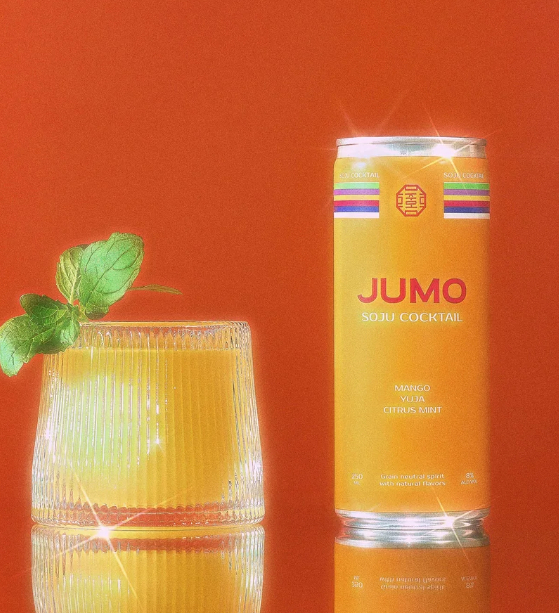
According to the food and wine publication Food & Wine, the spirits market has seen a surge in new craft distilleries offering carbonated soju, canned cocktails, and premium distilled options tailored to modern palates. Brands like JUMO are introducing 8% ABV canned soju cocktails blended with real fruit juices like peach, lychee, and rose to target hard seltzer and ready-to-drink fans. Similarly, California-based Hello Soju offers 7% sparkling options with flavors like Asian pear and lemon yuzu, lowering the barrier to entry for consumers unfamiliar with traditional spirits.
Premium Aging and Cultural Experiences
On the other end of the spectrum, brands are targeting the whiskey market with high-proof offerings. Tokki Soju, founded in South Korea, uses traditional nuruk and glutinous rice, aging select products in oak barrels to create 46% ABV gold and garnet label expressions with smoky, whiskey-like profiles. Meanwhile, innovators like Yoju offer 7% yogurt soju in cans, and Sool produces a 24% expression infused with sesame. Industry experts like Andy Han of Atlanta Michelin-starred restaurant Lazy Betty note that introducing premium products expands the market, while JUMO founder Grace Choi highlights that low ABV and the unique cultural experience of drinking soju drive its growing US competitiveness.