The Crisis Facing California Wine Grapes
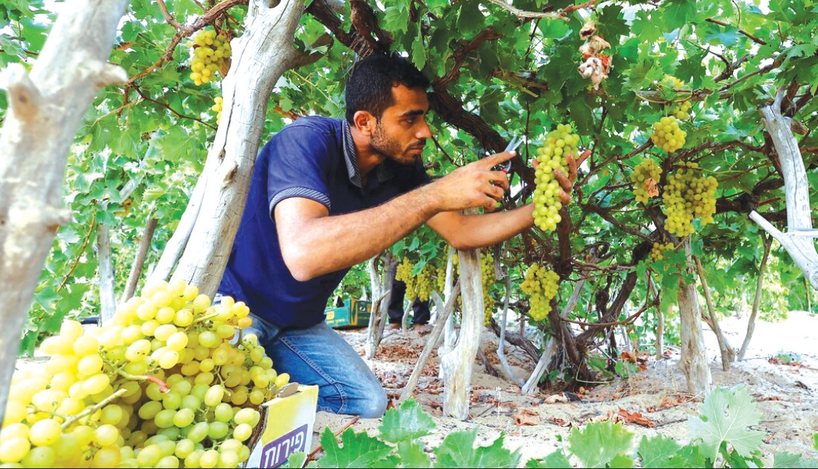
An oversupply and plunging demand mean that California wine grapes are leaving farmers with no buyers as the harvest season begins, forcing them to abandon crops or bulldoze generational vineyards. According to recent reports cited by ABC News, national wine sales have plummeted by over 20 percent over the past five years. As grape prices tumble, growers face agonizing decisions: whether to push through the harvest at a heavy loss, leave the fruit to rot, or pivot entirely to alternative crops.
Plunging Sales and Changing Consumer Habits
California produces over 80 percent of the nation’s total wine supply, but falling consumption has triggered a severe oversupply crisis. According to a First Citizens Bank industry report, domestic wine sales dropped 23 percent from 427 million cases in 2020 to 329 million cases in 2025. Total sales revenue similarly declined by 22 percent, falling from $94 billion to $74 billion. Jeff Bitter, president of Allied Grape Growers representing roughly 500 farmers statewide, notes that while California’s vineyards spanned roughly 600,000 acres during the pandemic, about 25 percent of that acreage has now been ripped out or had production halted.
For instance, Bill Berryhill, a 68-year-old third-generation farmer in Lodi near the San Joaquin Valley, could not find buyers for the grapes grown across 200 of his 500 acres and plans to bulldoze 50 acres of vineyards once the harvest concludes. This dramatic market downturn is heavily driven by shifting generational drinking habits. While the core demographic of baby boomers is aging, younger generations are cutting back on alcohol due to health concerns and economic pressures.
Economic Impact and Agricultural Shifts
To mitigate their losses, desperate grape growers are selling surplus yields at rock-bottom prices to concentrated syrup manufacturers or transitioning to higher-demand crops such as almonds, walnuts, pistachios, and olives. However, this agricultural contraction is rippling through the broader regional economy. Kyle Collins, operations manager at Allied Grape Growers, explains that dwindling grape sales are cutting farmworker wages and hurting local businesses. Industry experts emphasize that restoring supply-demand balance will require targeted strategies that adapt to evolving consumer preferences.