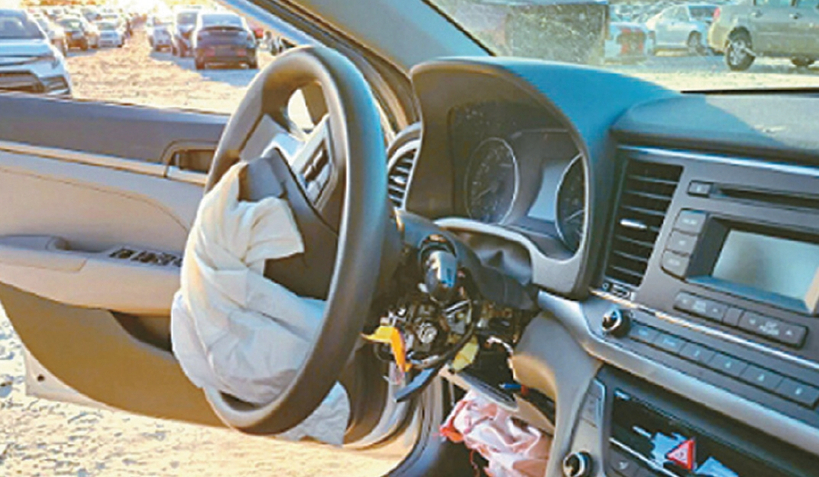
Mexican drug cartels are increasingly orchestrating a brazen wave of auto thefts, renting vehicles from U.S. rental companies and secretly smuggling them across the border. These criminal organizations primarily target high-end luxury models like BMWs and Cadillacs, but they have a particular appetite for heavy-duty pickup trucks and Jeeps capable of navigating rugged terrain to evade border patrols. In some cases, the stolen vehicles are heavily modified into armed transport vehicles equipped with armored plating, shooting ports, and gun mounts.
How Cartels Exploit U.S. Rental Car Loopholes
California has proven to be an epicenter for these thefts due to state privacy laws that restrict the real-time use of GPS tracking on rental vehicles. Because rental companies are legally barred from tracking a vehicle until after the return deadline has passed and they have successfully contacted the customer, the stolen cars are often deep inside Mexico by the time tracking is finally initiated. According to the California Highway Patrol (CHP), approximately 850 stolen vehicles are recovered in Mexico from California alone each year, though precise figures for rental cars specifically are not fully tracked.
Criminal networks routinely deploy social media campaigns to recruit individuals to rent vehicles for a five-day period, instructing them to leave the keys in the rental lot upon completion. Alternatively, fraudsters use stolen identities online or automated kiosks to secure the rentals. Because the administrative process for reporting a stolen vehicle can be complex, certain states require up to nine days just to officially file a police report. Combined with delays in entering vehicle identification numbers into joint U.S.-Mexico stolen vehicle databases, tracking and recovering these assets remains an uphill battle.
Cross-Border Operations and Cartel Impact
In one high-profile incident earlier this year, 10 brand-new Ram pickup trucks were stolen from airport lots in Oakland, Los Angeles, and Las Vegas before being smuggled into Jalisco, with some later recovered with the assistance of the Mexican military. Another operation involving six 2026 Jeep Wranglers successfully recovered four of the vehicles. Furthermore, court documents revealed that 17 individuals linked to the Sinaloa Cartel were indicted in 2024 for stealing 190 Ford F-150s and luxury SUVs near the Denver airport, moving the $10 million fleet into Mexico where the vehicles were reportedly bartered in exchange for cocaine, fentanyl, and methamphetamine.
Once safely inside Mexico, corrupt officials often assist in swapping out U.S. license plates for legitimate Mexican plates, registering the stolen vehicles in local databases. Equipped with valid local plates, the vehicles effortlessly evade highway license plate reader systems designed to flag stolen automobiles. Industry experts emphasize that renting rather than purchasing vehicles provides cartels with a cheap, efficient method to secure transport for drug smuggling and violent territorial turf wars.