Growing concerns surrounding the AI bubble are intensifying across global financial markets, sending jitters through South Korea’s stock market, which was recently hit hard by tech sell-offs. As skepticism mounts, counterarguments suggesting that "this time is different" compared to historical events like the dot-com bubble are losing traction.
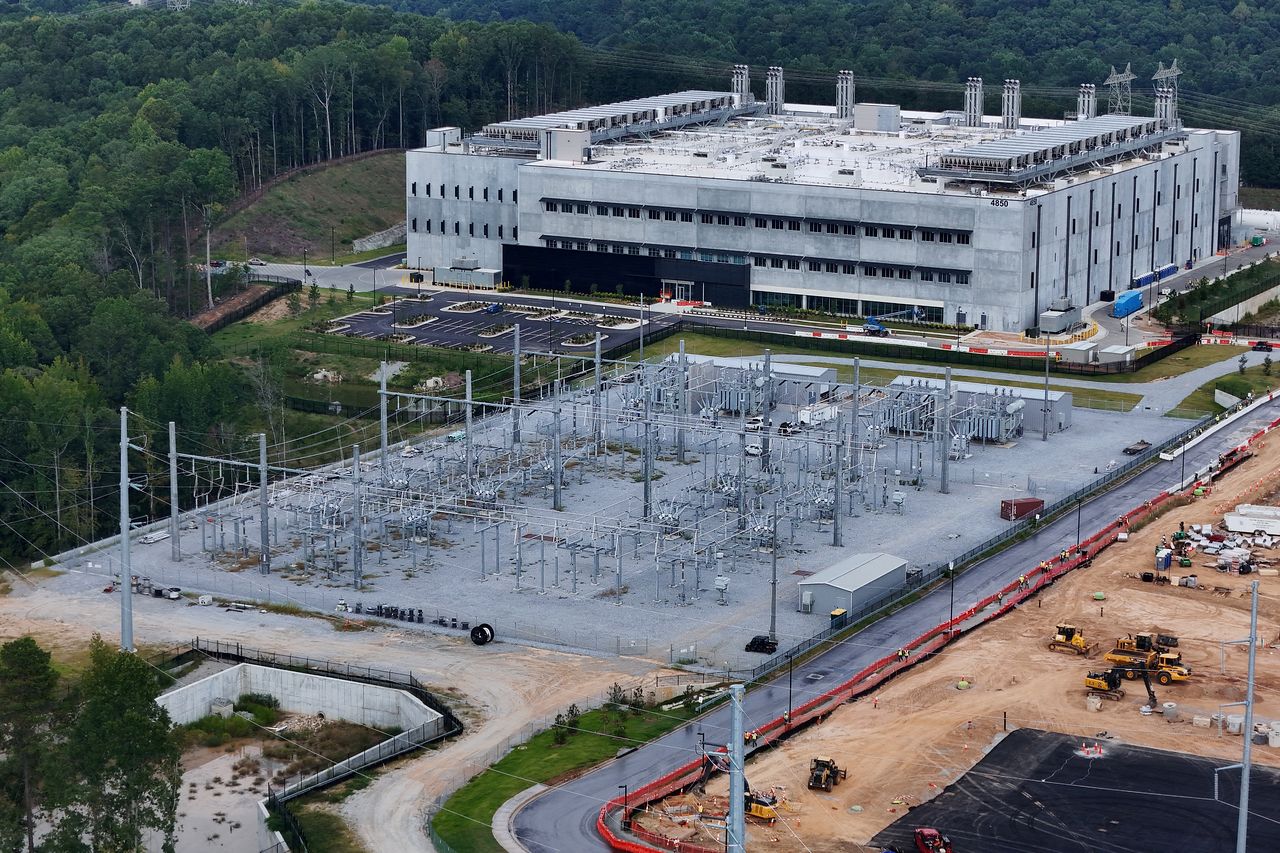
The core worry surrounding the AI bubble is not whether artificial intelligence will act as a game changer for future industries, but rather whether the current scale of investment and debt burdens can be justified by sufficiently rapid and massive returns. The Financial Times (FT) reported that cracks are beginning to show in America’s $10 trillion AI infrastructure boom, with large-scale data center construction plans encountering significant real-world barriers.
According to regulatory data cited by the FT, at least 47 major data center projects have been delayed, withdrawn, or had their approvals put on hold this year alone. Bernstein, an investment bank, previously estimated that only about 35 percent of planned data center projects in the United States are realistically viable.
Wall Street Journal columnist James Mackintosh warned that the AI stock market wobble serves as a reminder that the industry risks repeating the history of overinvestment without adequate returns, drawing parallels to the 1840s British railway investment bubble and the turn-of-the-century dot-com bubble. While large-scale historical investments brought massive societal benefits, they often took too long to yield profits or suffered from cutthroat competition.
Bloomberg noted that recent financing anxieties surrounding data center lessor CoreWeave threaten to weigh down the broader speculative-grade bond market for AI. The core issue remains whether companies that accumulated debt to build data centers can generate sufficient cash flow to service their principal and debt obligations.
Meanwhile, BlackRock CEO Larry Fink cautioned that a halt in data center construction could risk pushing the U.S. economy into a recession, given how heavily current economic activity relies on expanding facility investments. Overseas warnings carry heavy weight in South Korea, where the economy and retail investor portfolios are deeply tied to semiconductor giants like Samsung Electronics and SK hynix.
Despite recent volatility, some market experts argue that widespread caution may prevent the bubble from reaching catastrophic levels. Howard Marks of Oaktree Capital noted that when enough people express skepticism about market bubbles, the actual scale of the bubble is often kept in check, suggesting that the current market environment cannot be easily dismissed as a runaway frenzy driven entirely by FOMO.