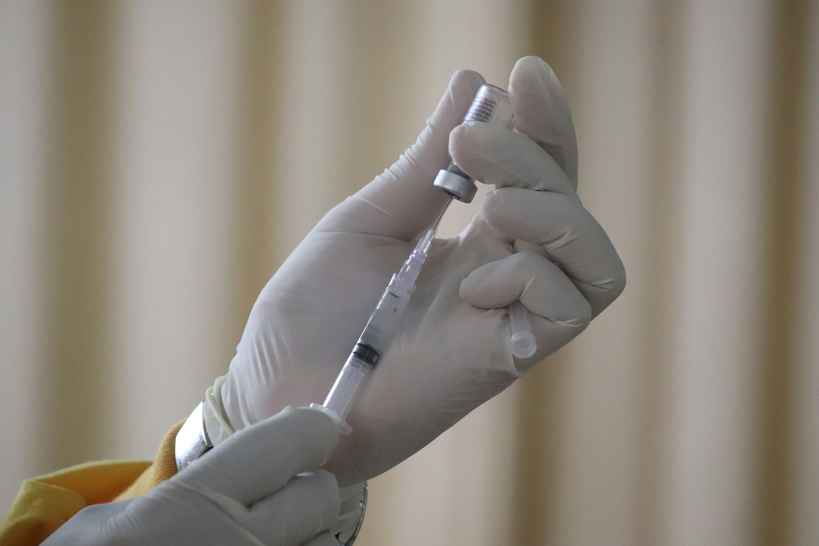
An experimental personalized cancer vaccine tailored to a patient’s specific tumor characteristics has significantly reduced the risk of melanoma recurrence. This marks the result of a large-scale clinical trial applying the same mRNA technology used in COVID-19 vaccines to cancer treatment.
According to research data released by Moderna and Merck, patients who received the custom cancer vaccine ‘intismeran’ alongside the standard immunotherapy drug Keytruda experienced a 42% lower risk of melanoma recurrence within two years compared to those treated with Keytruda alone.
Approximately 1,100 high-risk melanoma patients who had their tumors surgically removed participated in this clinical trial. Two years later, 82% of the vaccine group survived without cancer recurrence, compared to 70% in the group receiving only Keytruda. Researchers are continuing follow-up evaluations to confirm long-term therapeutic efficacy.
Intismeran works by identifying unique genetic mutations within a patient’s tumor and creating a custom vaccine based on those findings. Administered a total of nine times at three-week intervals, it trains the immune system to recognize and attack specific proteins expressed by cancer cells.
Researchers noted that side effects were primarily limited to arm pain and fatigue, similar to the reactions observed with conventional mRNA COVID-19 vaccines. Moderna and Merck are currently discussing the next steps for regulatory approval submissions with health authorities.
The custom vaccine typically takes about six weeks from tumor gene analysis to actual vaccine manufacturing. Pricing details have not yet been disclosed. Currently, mRNA-based personalized cancer vaccines are undergoing clinical trials for various other cancers, including lung, kidney, and pancreatic cancers.