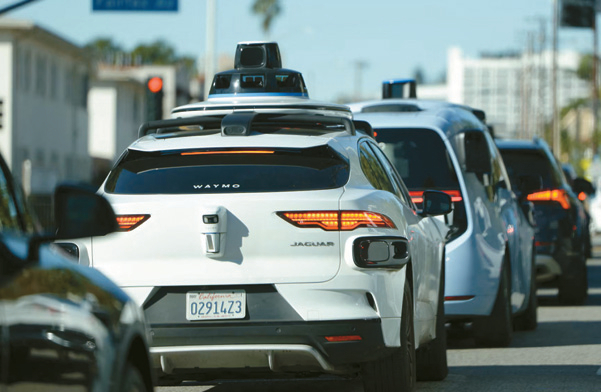
The Korean taxis in LA industry is facing a severe double blow, squeezed by the rapid expansion of Waymo autonomous robotaxis alongside soaring gas prices and vehicle maintenance costs. While operational expenses continue to climb, business owners find it difficult to raise fares out of fear that remaining customers will abandon them.
Do-il Yoon, CEO of Hana Taxi, shared the industry’s struggles on October 27, stating that many Korean taxi operators have seen their revenues drop by about 30% since the introduction of unmanned taxis.
He explained that Waymo requires no tipping and eliminates passenger anxiety regarding human drivers. For tourists, in particular, riding a robotaxi has become a novel tourist attraction in Los Angeles, much like seeking out In-N-Out Burger.
The proliferation of robotaxis is also impacting ride-sharing services that previously threatened traditional taxi industries. According to Gridwise, a rideshare earnings analytics firm, total working hours for Uber and Lyft drivers in the LA area during the second quarter of this year dropped by 17.8% compared to the same period in 2024, while quarterly earnings fell by 14.7%. Conversely, cities without autonomous taxi operations saw increases in both working hours and revenue.
Currently, about 900 Waymo vehicles operate in Los Angeles, making it the second-largest fleet in the nation after San Francisco. With Uber also pushing to introduce autonomous vehicles, competition for passengers is expected to intensify further.
Another major concern for Korean taxi operators is the rising cost of vehicle operations. According to the American Automobile Association (AAA), gas prices in the Los Angeles area rose 31% from a year ago, while national vehicle maintenance and repair costs increased by 5.8%. Consequently, revenue is declining while expenses mount, severely eroding business profitability.
Richard Wee, CEO of LA Korean Limo Service, noted that gas and repair costs have risen across the board, making a fare increase necessary. However, because customers are highly sensitive to even a $1 or $2 price difference, raising rates is not feasible. He added that passenger fares have barely changed since he first arrived in LA in 1993.
A representative for Hangil Taxi echoed these concerns, explaining that while current operating costs justify a fare hike, they hesitate to raise prices out of concern for their primary customer base of Korean seniors. Caught between driverless competition and mounting overhead, Korean taxi companies are shifting their focus to airport pickups and long-distance sightseeing tours.
Hana Taxi has expanded its service range to include Los Angeles International Airport (LAX) pickups as well as trips to San Diego, Palm Springs, and Santa Barbara.
CEO Yoon noted that popular sightseeing destinations near LA favored by South Korean tourists often fall outside Waymo’s operational zones. By targeting these niche markets, they are able to keep their businesses running. Wee added that they continue to attract tourists from South Korea through targeted online advertising.