Budget-Friendly Used Cars Sell Rapidly as High Prices Squeeze Buyers
Rising new car prices and broader economic pressures are driving demand for affordable pre-owned vehicles, with low-cost used cars selling nearly twice as fast as higher-priced models.
According to a second-quarter market report from auto research firm Edmunds, used cars priced between $5,000 and $10,000 spent an average of just 25.4 days on dealership lots before being sold. Industry analysts noted that such vehicles sell almost immediately after completing basic dealership inspections and reconditioning.
By contrast, used vehicles priced between $20,000 and $25,000 took an average of 37.8 days to sell, while luxury and premium used vehicles priced above $50,000 remained on market lots for an average of 44.3 days. The time required to complete a sale differed by nearly 20 days depending on the vehicle price tier. Overall, the average selling time across all used car price categories stood at approximately 38 days, remaining unchanged compared to the same period last year.
Market analysts attribute the rapid turnover of low-cost inventory to shifting consumer behavior. Budget-conscious buyers are increasingly foregoing drawn-out price negotiations and moving quickly to purchase lower-cost vehicles as soon as they become available.
Shrinking Inventory and Aging Vehicles Challenge Budget Shoppers
Despite surging demand for low-cost transportation, inventory in the sub-$20,000 price category continues to contract significantly. Vehicles priced under $20,000 accounted for 31.8 percent of all used car sales in the second quarter. In comparison, that same price segment comprised 55.2 percent of total used car sales during the second quarter of 2019, indicating that fewer than one in three used cars sold today fall below the $20,000 threshold.
Industry experts explain that existing car owners are holding onto older, affordable vehicles longer rather than trading them in. Simultaneously, overall inflation in pre-owned vehicle values has pushed many models previously priced below $20,000 into higher price tiers. Conversely, used vehicles priced above $30,000 accounted for 35.8 percent of sales during the second quarter, more than doubling from 16.8 percent reported seven years ago.
The contraction of the budget segment has also reduced vehicle quality within the same price points. Used cars sold between $15,000 and $20,000 in the second quarter averaged six years in age and 71,192 miles on the odometer. In 2019, buyers in that same price range acquired vehicles averaging 3.4 years in age with 41,851 miles. Consequently, consumers paying the same nominal price today receive vehicles that are on average 2.6 years older with nearly 30,000 additional miles.
For vehicles priced between $10,000 and $15,000, the disparity was even broader, with average vehicle age increasing by four years and odometer readings rising by nearly 40,000 miles over the same seven-year span.
Online Valuation Services Provide Alternatives for Used Car Sellers
For vehicle owners considering selling pre-owned cars in the $20,000 range, digital trade-in and purchase platforms offer an increasingly convenient alternative to traditional dealership visits.
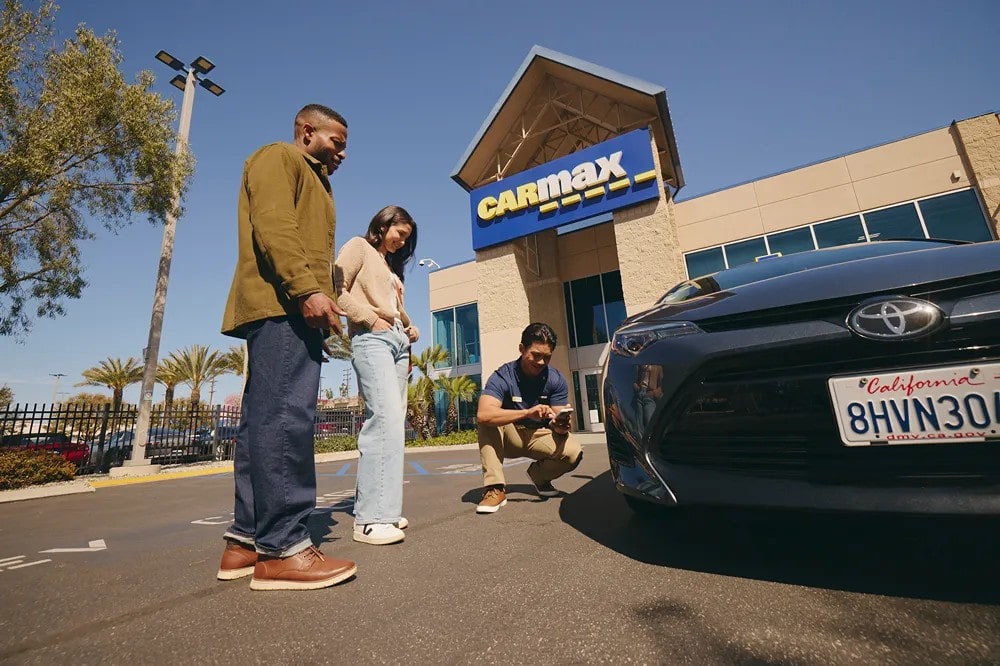
Major online auto platforms including CarMax, Carvana, CarGurus, and Bidus allow vehicle owners to receive instant valuation offers by submitting basic vehicle specifications, condition reports, and current mileage online. Many of these services provide monthly email updates tracking market value fluctuations, and several offer home pickup services to streamline the transaction process.
Automotive analysts note that utilizing online valuation tools enables sellers to compare competitive offers efficiently. Because trade-in values fluctuate based on individual platform inventory levels and regional demand, online quotes can often yield higher offers for high-demand models than traditional trade-in allowances, while providing sellers with leverage during dealership negotiations.