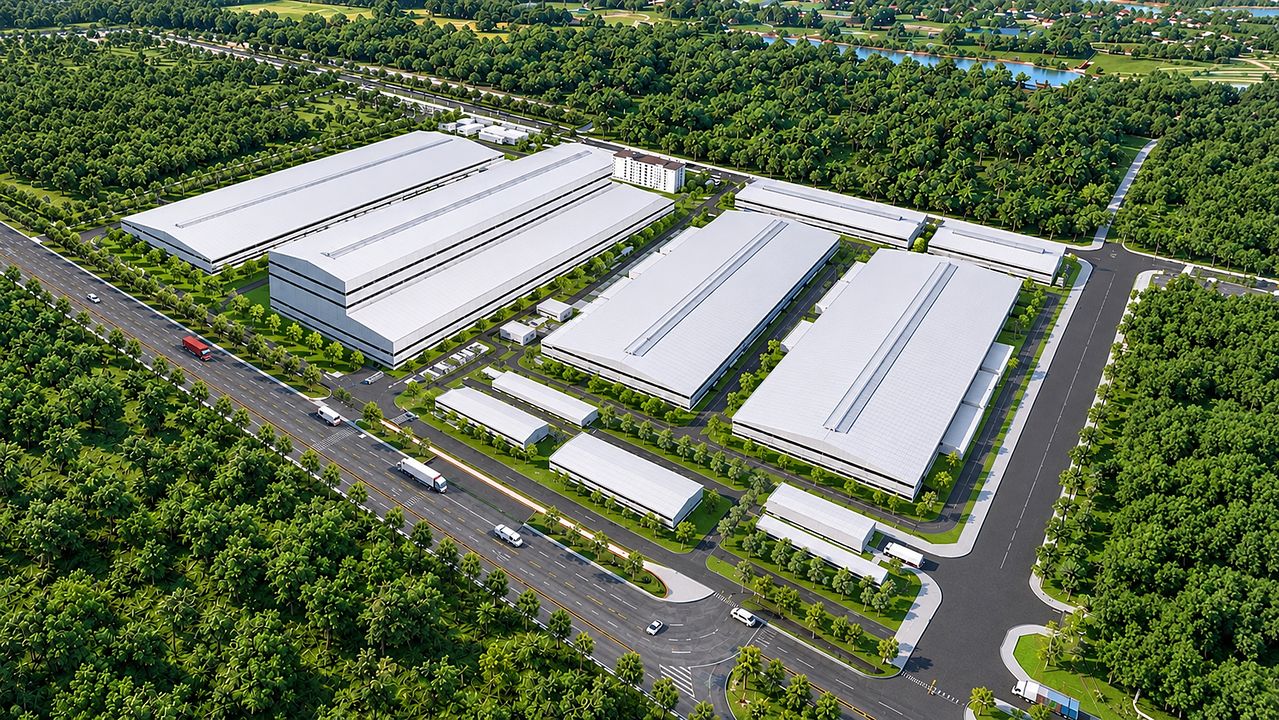
POSCO Group and Hyundai Motor Group are expanding their strategic alliance beyond steel into the core components of electric vehicle manufacturing. POSCO Future M announced on Dec. 3 that it has signed a Letter of Intent (LOI) with Hyundai Motor Group to collaborate on a synthetic graphite anode business in Vietnam.
Under this agreement, Hyundai Motor Group is reviewing a 100 billion won (approximately $73 million) equity investment in POSCO Future M’s Vietnamese synthetic graphite anode project. The automaker also plans to secure priority purchasing rights to acquire the manufactured output first. However, specific details regarding the exact equity stake, mass production timeline, and applicable vehicle models have not yet been finalized.
This collaboration serves as a follow-up to the memorandum of understanding (MOU) signed by both groups in April of last year, which focused on mutual cooperation in the steel and secondary battery sectors. While the previous agreement centered on a joint venture for Hyundai Steel’s electric arc furnace steel plant in Louisiana, USA, this marks their first cooperative venture in secondary battery materials.
While cathode materials determine a battery’s capacity and voltage, anode materials directly impact charging speed and lifespan. Graphite, the primary material used in anodes, is divided into natural graphite mined from the earth and synthetic graphite processed from petroleum and coal-based raw materials. Synthetic graphite offers distinct advantages in fast-charging performance and longevity, making it increasingly crucial as electric vehicle technology advances.
Chinese companies currently dominate the global anode market, accounting for over 90% of production. Meanwhile, the United States classifies entities linked to countries of concern, such as China, as Foreign Entities of Concern (FEOC). Battery and automaker compliance requires minimizing components sourced from these entities to qualify for production tax credits under local regulations. Consequently, automakers and battery cell manufacturers alike are rapidly expanding their engagement with domestic and allied material suppliers.
POSCO Future M commenced construction on its synthetic graphite anode plant in Thai Nguyen, northern Vietnam, earlier this year with an investment of approximately 357 billion won. Following this, the company signed a massive supply agreement worth about 1.15 trillion won with a global automaker last March, targeting full-scale mass production by 2028.