In recent Korean cinema, the full moon in Korean cinema has emerged as a powerful metaphor that transcends mere atmospheric background, representing deep emotional connections and narrative resolution.
The Full Moon as a Cinematic Motif
While the full moon in Western culture is traditionally associated with madness, ominous portents, and supernatural forces, Korean films frequently utilize it to evoke longing, connection, and poignant beauty. Recent releases such as ‘Final Interview,’ ‘A Possible Love,’ and ‘Brighter Than Ever’ all employ the full moon as a pivotal device in their closing or critical scenes.
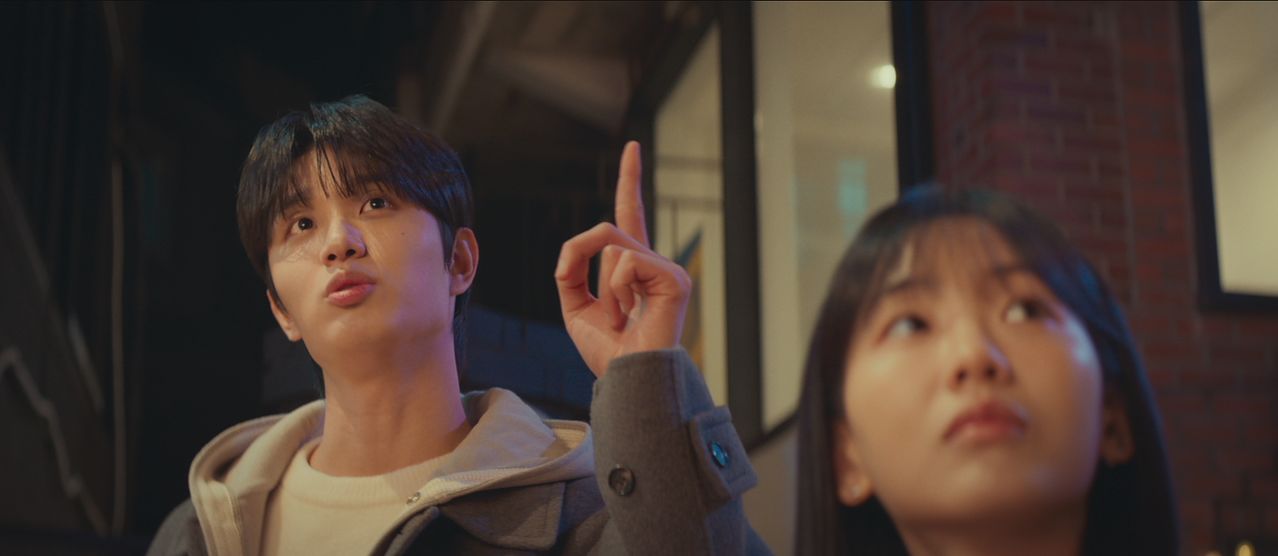
In the mystery film ‘Final Interview,’ characters Jin-woo and Hye-in walk under a full moon, discussing how the moon always hides its dark side from us. This conversation not only mirrors the hidden secrets of the job applicants but also bridges the emotional gap between the two leads.
Cultural Roots and Emotional Resonance
Film experts note that this artistic choice taps into traditional Korean sentiments surrounding the moon, famously seen in historical folklore, poetry, and classic television dramas like ‘Seoul’s Moon.’ Rather than functioning as a symbol of foreboding, the full moon in Korean storytelling often highlights human resilience, lingering yearning, and the quiet hope that persists despite life’s harsh realities.