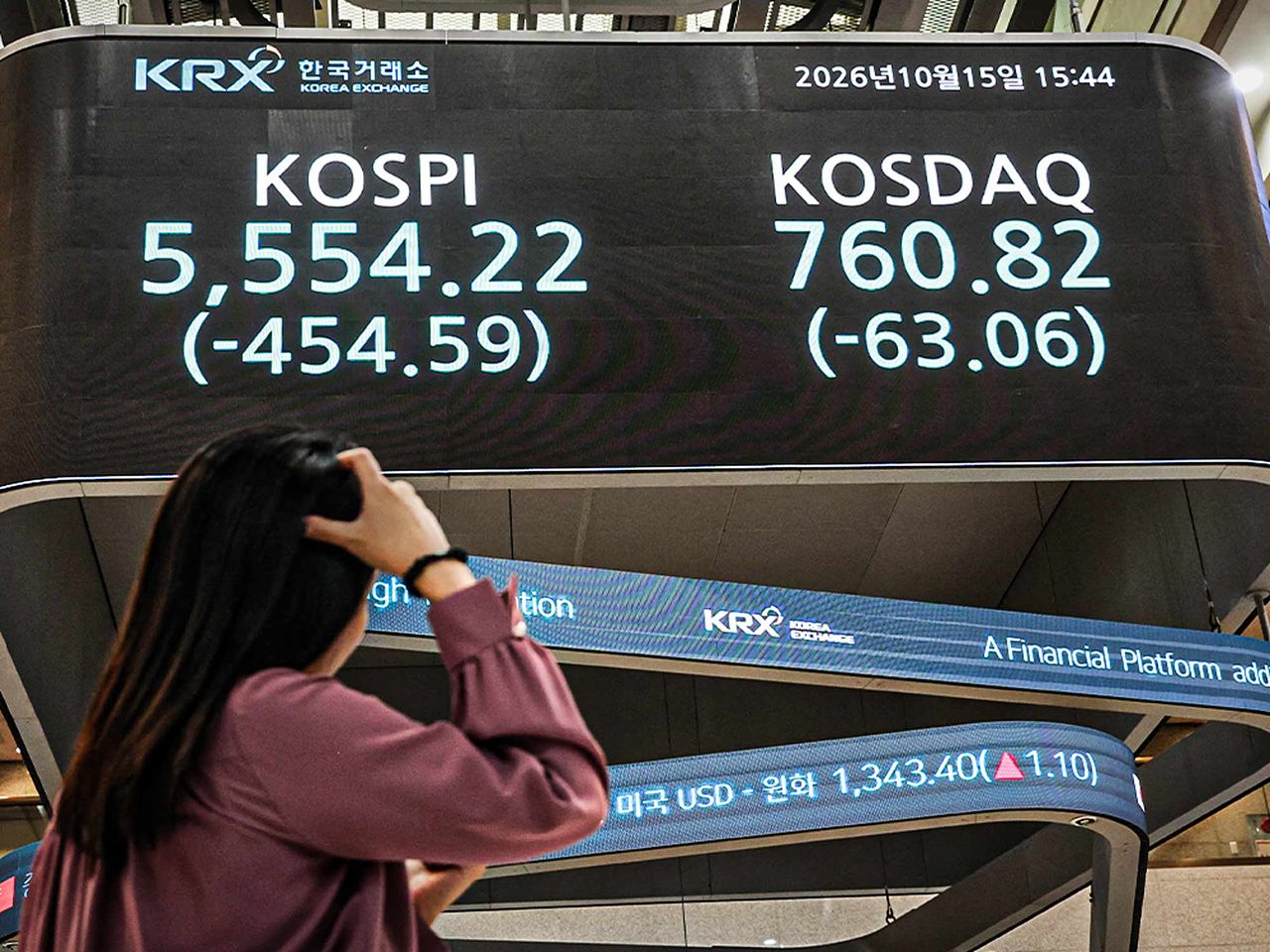
The KOSPI crash has sent shockwaves through South Korea’s financial markets as the index plummeted nearly 19% in just the first half of October. Following a brutal market correction earlier in the summer, investors are once again grappling with steep losses and mounting anxiety over whether this marks the beginning of a prolonged downward trend.
Market analysts point to a complex convergence of factors behind the sudden downturn. A mix of tangled foreign, institutional, and retail trading dynamics created a fragile environment, which was ultimately upended by a bond shock at CoreWeave, a prominent US AI cloud infrastructure provider. As corporate bond values plummeted, fears regarding the profitability and stability of major data center operators spilled over directly into Korean semiconductor giants.
With foreign investors pulling capital amid shifting currency values and local institutions constrained by asset allocation limits, the absence of strong buying support has left the market vulnerable. While some experts view the correction as a capital market reaction rather than a fundamental failure of the semiconductor industry, retail investors remain caught between panic selling and hopes for a recovery.
Expert Insights on the Semiconductor Outlook
Despite the severe market correction, industry experts remain divided on the long-term prospects of major memory chip manufacturers like Samsung Electronics and SK hynix. While some analysts warn of potential further downside risks depending on customer stability and global demand shifts, others argue that the fundamental demand for AI-driven memory solutions remains intact over the next few years.
Navigating Market Volatility and Investment Strategies
As investors weigh stop-loss strategies against buying the dip, financial advisors emphasize the importance of distinguishing between short-term market sentiment and true technological fundamentals. Understanding the evolving dynamics of global AI infrastructure investments and currency fluctuations will be critical for navigating the ongoing volatility in the Korean stock market.