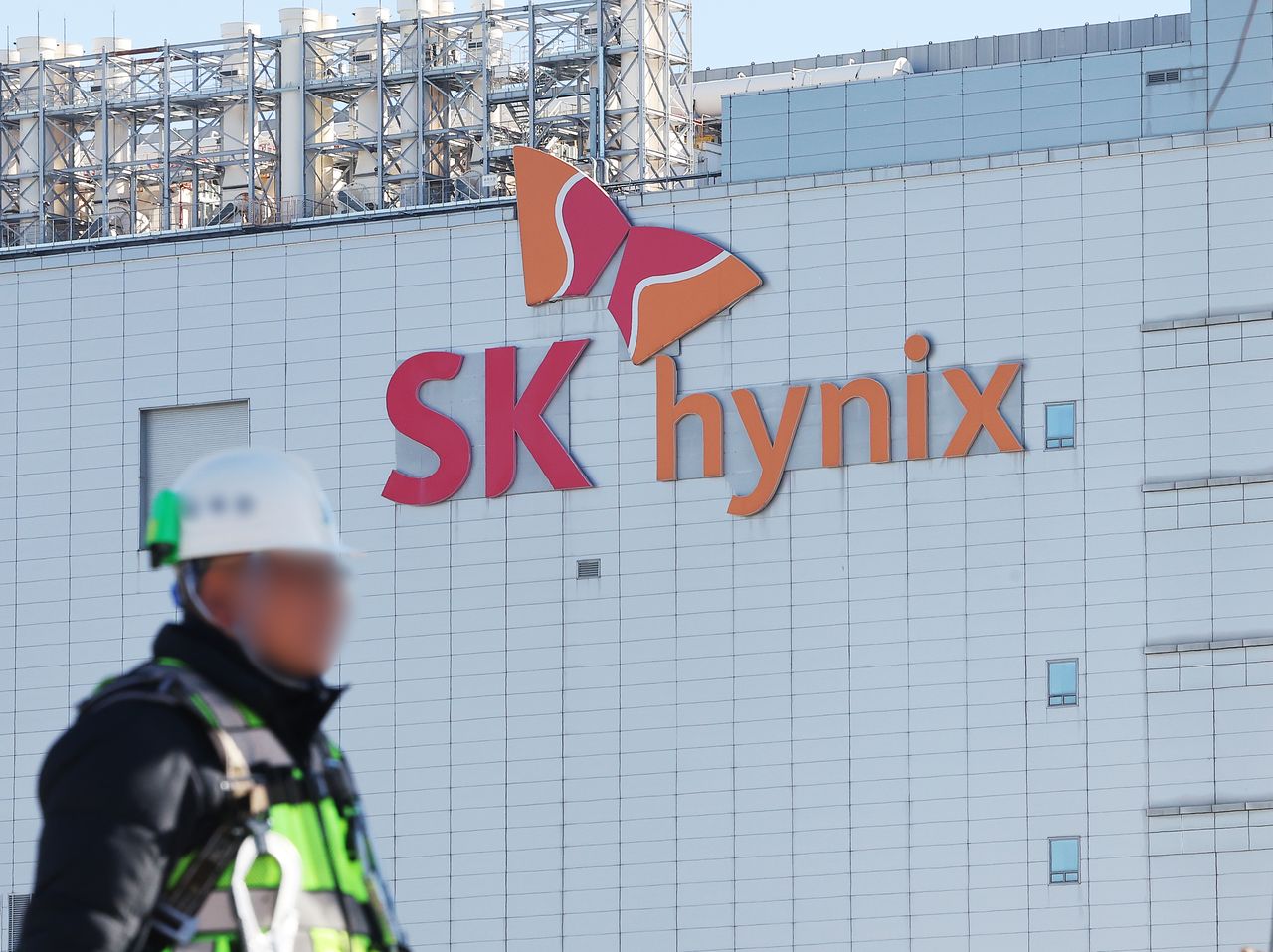
Plans by Solidigm, SK Hynix‘s US-based NAND flash memory subsidiary, to build a $45 billion (approx. 60 trillion won) semiconductor plant in New York State have hit a major roadblock.
Reuters reported on Dec. 3 (local time) that the US Department of Commerce is withholding export licenses for advanced American chipmaking equipment destined for SK Hynix’s Dalian plant in China. SK Hynix had planned to increase high-performance NAND production at the Dalian facility and use the secured capital to build two plants in New York. However, US semiconductor export controls targeting China have choked off the production expansion at the Chinese facility, backfiring on the company’s US investment plans.
Solidigm executives have held nearly 10 rounds of talks with the US Commerce Department since late August but have reportedly failed to find a breakthrough. The company conveyed that expanding production and transitioning to advanced processes at the Chinese plant are inevitable to secure funds for the US factory construction and maintain market competitiveness. Nevertheless, US Under Secretary of Commerce for Industry and Security Jeffrey Kessler maintained a firm stance during meetings last week, stating that equipment exports aimed at expanding production capacity or technological advancement in China cannot be permitted.
Industry insiders suggest that if the regulations persist, the company might downsize its US investment scale or consider relocating the project to another country. Solidigm told Reuters that it is reviewing alternative sites worldwide for NAND plant construction, but no final decision has been made yet.
That said, the export license for the Dalian plant has not been officially denied. Separate discussions are ongoing regarding the export of equipment for 2027 to maintain existing facilities. Reuters analyzed this situation as a dilemma faced by the Trump administration between attracting domestic investment and controlling technology bound for China. Leland Miller, a member of the US-China Economic and Security Review Commission, noted that ultimately nothing will move forward without White House approval.