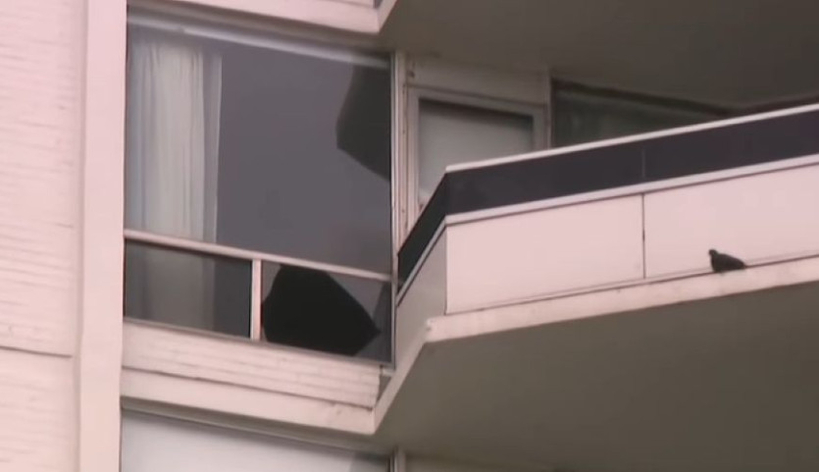
A tragic incident in North York, Toronto, has sparked intense public outrage and a massive lawsuit after a two-year-old child fell to their death from a high-rise apartment window. The grieving family has filed an 18 million dollar lawsuit against the property management company, citing severely neglected facility maintenance and dangerously weak window structures. This devastating event has thrust Toronto’s multi-unit residential safety inspection program, ‘RentSafeTO,’ and the safety standards of aging buildings under heavy scrutiny.
Fragile Annealed Glass and Ignored Resident Complaints
The tragic accident occurred on May 10th on the 19th floor of 50 Graydon Hall Drive in North York. According to the family, who had moved in just two months prior, the toddler leaned against the bedroom window, causing the glass to shatter and resulting in the fatal fall. Legal representatives for the family explained that the window was made of ‘annealed glass’—a non-heat-treated, non-tempered material highly susceptible to breaking under minor pressure or wind.
Residents of the same apartment complex revealed that complaints regarding window defects had been filed repeatedly long before the tragedy. Neighbors in adjacent buildings testified that windows frequently rattled, leaked during strong winds, or cracked simply due to solar heat and temperature fluctuations. Some tenants even resorted to blocking their windows with wooden planks to protect their children. Despite management being aware of these severe safety risks, no proper inspections or replacements were conducted, prompting the ongoing 18 million dollar lawsuit.
The Blind Spots and Limitations of RentSafeTO
This incident has raised serious questions about the accuracy and reliability of Toronto’s rental housing oversight program, RentSafeTO. Prior to the accident, the building had received near-top scores in city inspections, including window conditions. While some nearby units saw their scores skyrocket from 60 to 98 points in recent years, residents report that actual living conditions have not improved.
Experts suggest that simplified scoring methods during system reforms may have led to lenient evaluations of structural defects. Additionally, advance notice given to landlords before inspections and a shortage of dedicated staff often turn physical audits into mere formalities. The City of Toronto stated that RentSafeTO evaluates maintenance compliance under municipal bylaws but does not verify adherence to the Ontario Building Code or professional structural engineering safety.
Reforming Safety Standards for Aging Residential Buildings
Older residential buildings constructed before modern building codes—such as this apartment complex built in 1969—fall into a legal blind spot where strict contemporary safety standards are not retroactively applied. However, leaving life-threatening structural defects unaddressed in high-rise residential complexes housing numerous families is completely unacceptable.
Administrative authorities must move beyond merely checking compliance with maintenance bylaws and establish rigorous precision inspection systems capable of proactively identifying and ordering mandatory repairs for hazards in aging buildings. Implementing unannounced inspections and strengthening regulations to mandate window safety devices in units housing children and vulnerable populations are urgently needed.